
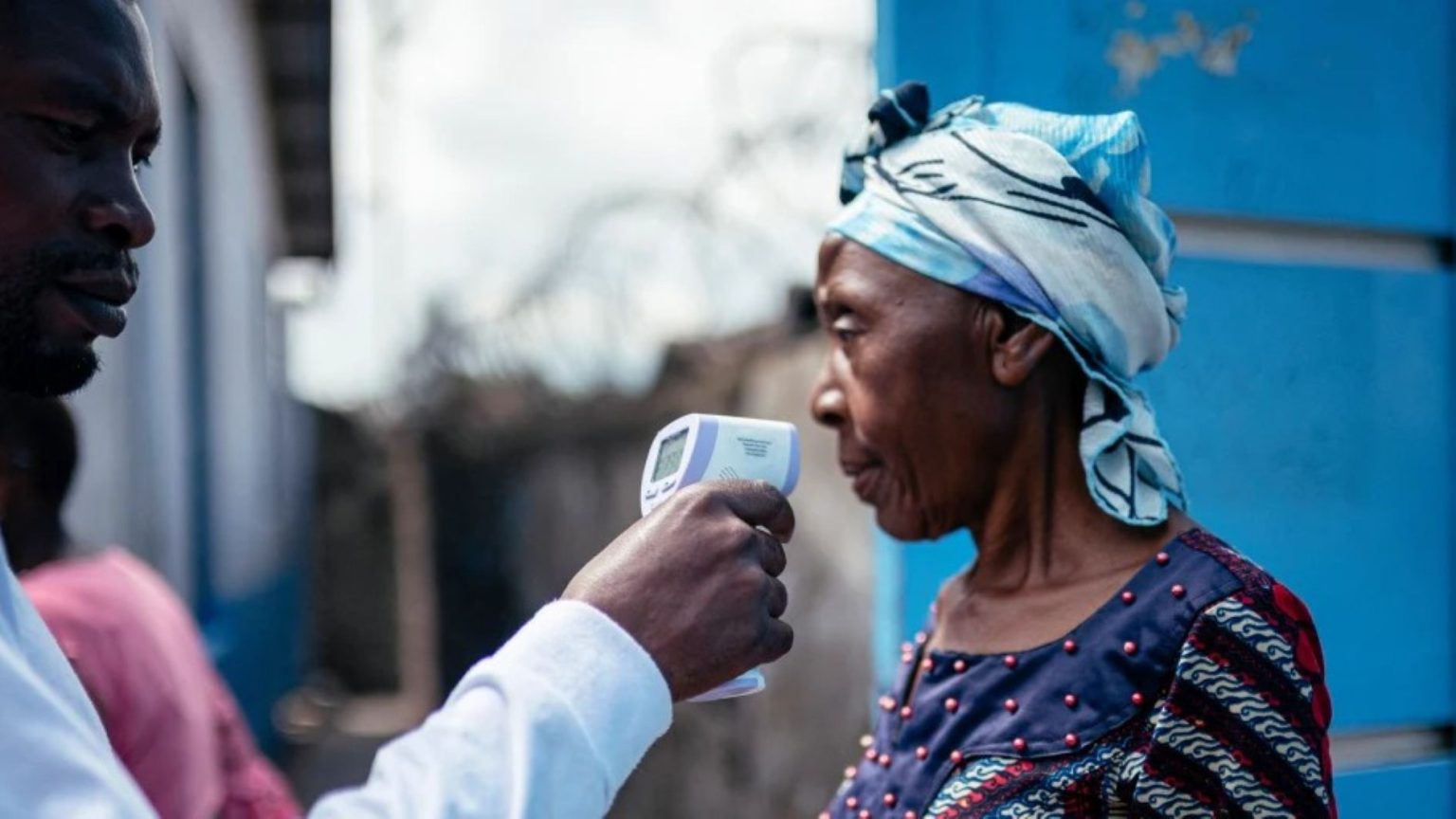
The United States Centers for Disease Control and Prevention (CDC) has invoked Title 42 and announced a series of travel restrictions following the Ebola outbreak in the Democratic Republic of the Congo (DRC) and Uganda, as the World Health Organisation (WHO) declared the situation a Public Health Emergency of International Concern (PHEIC).
The CDC said the emergency public health measures, which took effect yesterday for an initial period of 30 days, were aimed at limiting the spread of the Ebola virus into the U.S. amid growing international concern over the outbreak.
Under the measures, U.S. health authorities said they would enhance health screenings for travellers arriving from affected regions and place restrictions on non-U.S. passport holders who had travelled to Uganda, the DRC, or South Sudan within the previous three weeks.
The deadly hantavirus and Ebola outbreaks are only the latest crises in “dangerous and divisive” times, the WHO chief said on Monday.
Opening the body’s annual decision-making assembly in Geneva, Tedros Adhanom Ghebreyesus spoke of the new Ebola outbreak in DRC, which he declared an international health emergency, and the rare hantavirus outbreak on the MV Hondius cruise ship.
The two “are just the latest crises in our troubled world”, he told the gathering of health ministers and high-level delegates from around the world.
The latest action marks only the second time Title 42, a public health law dating back to 1944, has been used in the modern era. The law was previously enforced between March 2020 and May 2023 during the COVID-19 pandemic.
The sweeping measures came as WHO officially declared the Ebola outbreak caused by the Bundibugyo virus a global health emergency under the International Health Regulations (2005).
According to WHO, the declaration followed consultations with the governments of the DRC and Uganda, as well as assessments of scientific evidence, public health risks, the likelihood of international spread, and the potential impact on travel and trade. It however, noted that the outbreak does not currently qualify as a pandemic emergency under the regulations.
The organisation said the outbreak had expanded rapidly in recent days, with confirmed cases now recorded in multiple locations within the DRC and Uganda. As of May 16, 2026, WHO said eight laboratory-confirmed cases, 246 suspected cases, and 80 suspected deaths had been reported in Ituri Province of the DRC across at least three health zones: Bunia, Rwampara, and Mongbwalu.
WHO also confirmed that Uganda recorded two laboratory-confirmed Ebola cases, including one death, in Kampala on May 15 and 16 among individuals who travelled from the DRC. In addition, WHO disclosed that another laboratory-confirmed case had been identified in Kinshasa involving an individual who recently returned from Ituri Province.
According to the organisation, the confirmed cases in Uganda demonstrated that international spread had already occurred, while neighbouring countries sharing borders with the DRC remained at high risk because of trade, travel connections, and population mobility.
Meanwhile, the CDC said it was supporting interagency efforts to relocate a small number of Americans who are directly affected by the outbreak. The CDC stated that it had deployed resources from its offices already operating in the region to assist with surveillance, contact tracing, and laboratory testing, while additional support would be mobilised from its headquarters in Atlanta.
As part of the response measures, the U.S. embassy in Kampala also announced the temporary suspension of all visa services due to the ongoing outbreak.
WHO stressed that international coordination and cooperation would be critical in determining the full extent of the outbreak, strengthening surveillance systems, scaling up response operations, and implementing effective disease control measures.
In this article