
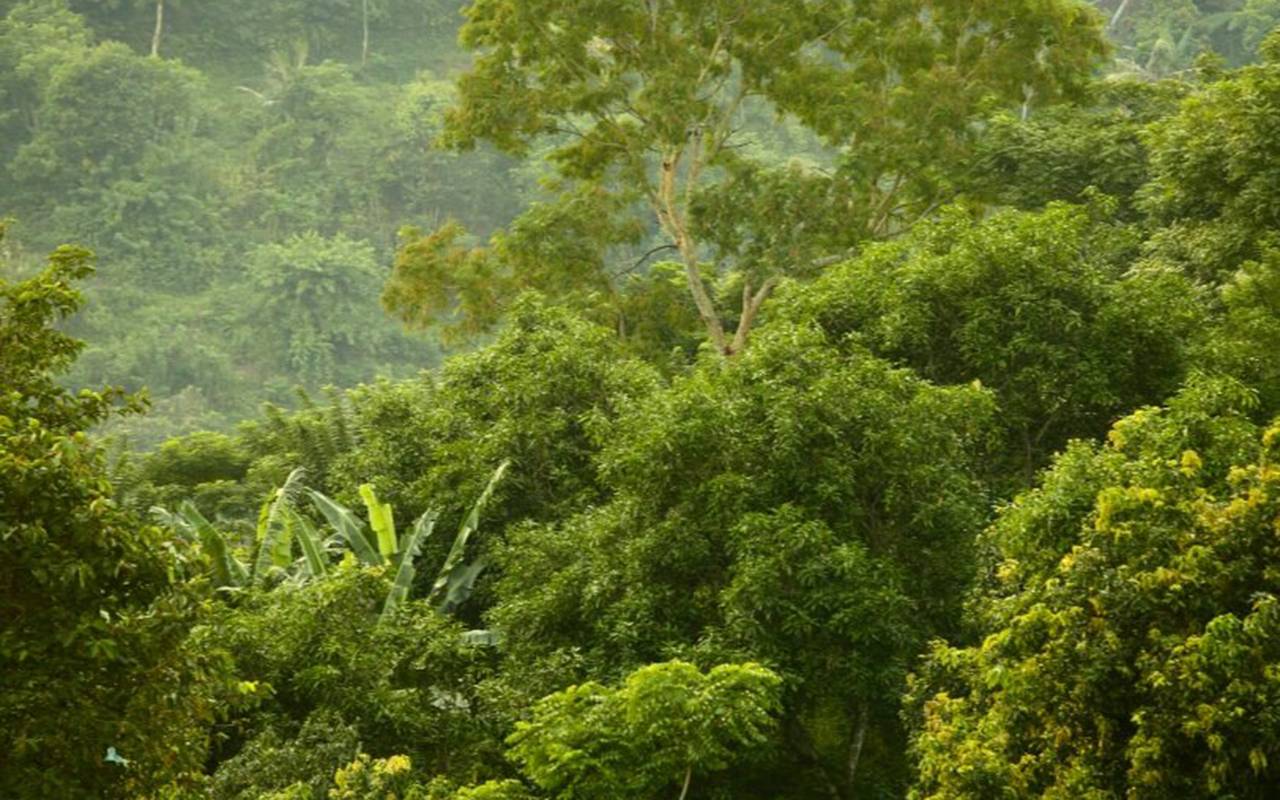
The Biodiversity Preservation Center (BPC) has called for urgent and coordinated action to protect Nigeria’s forests
The Biodiversity Preservation Center (BPC) has called for urgent and coordinated action to protect Nigeria’s forests, warning that continued environmental degradation poses serious risks to food security, livelihoods, and climate stability.
In a press statement issued to mark the International Day of Forests 2026, the organisation emphasised that this year’s theme, “Forests and Food,” highlights the critical role forests play in sustaining food systems and supporting millions of households.
In the statement, Executive Director of the centre, Prof. Edem Eniang, noted that forests in Akwa Ibom State and across Nigeria serve as vital life-support systems, providing ecosystem services such as soil fertility, water regulation, climate moderation, and biodiversity conservation, while also supplying food, medicine, fuelwood, and income to rural communities.
Prof Eniang warned that Nigeria’s forests are facing severe threats from illegal logging, unregulated agricultural expansion, urbanisation, oil exploration, and unsustainable harvesting practices. These pressures, he said, have led to widespread deforestation, loss of wildlife habitats, increased flooding, declining agricultural productivity, and intensified climate change impacts.
The organisation expressed particular concern over threats to the Stubbs Creek Forest Reserve, urging authorities to reconsider infrastructure plans like the proposed Lagos-Calabar Coastal Highway to avoid damaging critical ecosystems. It also referenced the destruction of the Ogunpa Forest Reserve as a cautionary example of environmentally harmful development.
Highlighting the link between forests and food security, BPC stressed that forest ecosystems provide essential products like fruits, nuts, honey, and bushmeat, while also supporting pollination and soil health.
According to the group, continued forest degradation could worsen poverty and malnutrition as communities lose access to these resources.
To address these challenges, the BPC Executive Director called on the Akwa Ibom State Government, federal authorities, private sector players, civil society groups, and local communities to take decisive steps toward forest conservation.
Key recommendations include strengthening forest governance, establishing an Ibom National Park, promoting community-based forest management, investing in reforestation, and supporting sustainable livelihoods such as agroforestry and ecotourism.
The centre also urged authorities to integrate environmental safeguards into development planning and scale up public awareness campaigns on conservation through education and media engagement.
The organisation reaffirmed its commitment to advancing forest conservation through research, advocacy, community engagement, and the use of geospatial technology for environmental monitoring.
“BPC Nigeria remains committed to advancing forest conservation through research, community engagement, advocacy, and the use of innovative tools such as geospatial technology for monitoring environmental change. We will continue to collaborate with government agencies and other committed stakeholders to promote evidence-based policies and sustainable practices.
“The future of Nigeria’s forests is inseparable from the future of its people. Protecting forests means protecting food systems, preserving biodiversity, mitigating climate change, and securing livelihoods for present and future generations. As we mark the International Day of Forests 2026, BPC Nigeria urges all stakeholders to act decisively. The time to protect our forests is now.
“Protecting forests means protecting food systems, preserving biodiversity, mitigating climate change, and securing livelihoods for present and future generations,” the statement said.
In this article