
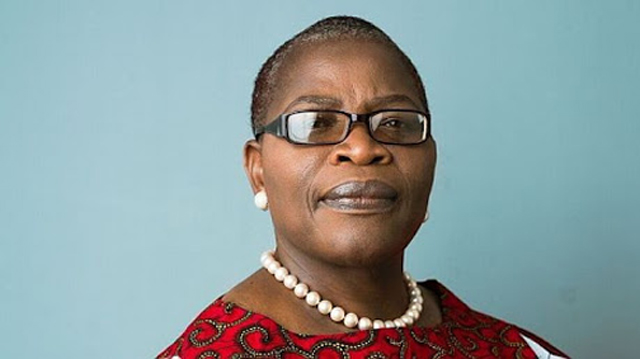
By Barakat Kehinde
In the evolving story of global development and governance reform, few African voices have commanded as much influence, credibility, and moral authority as Dr. Obiageli “Oby” Ezekwesili. Economist, reformer, institution-builder, and global transparency advocate, Ezekwesili stands among the most consequential African leaders to shape the international conversation on governance, accountability, and development in the 21st century.
For millions across Africa and beyond, her name has become synonymous with principled leadership and courageous reform. In Nigeria, she earned the enduring title “Madam Due Process” for pioneering a radical overhaul of the country’s public procurement system an innovation that fundamentally altered how government spending could be monitored, scrutinized, and made accountable to citizens.
But her influence did not stop at national borders.
In 2007, Ezekwesili made history when she was appointed Vice President of the Africa Region at the World Bank one of the most powerful operational leadership roles in global development. At just 44 years old, she became one of the youngest individuals ever appointed to a Vice Presidency in the institution’s history and the first African woman to lead the Bank’s Africa Region.
A Historic Leadership Moment
Her appointment represented more than a personal milestone; it signaled a pivotal shift in global development thinking.
For decades, Africa’s development agenda had largely been shaped externally. Ezekwesili’s leadership at the World Bank symbolized a new era one where African expertise, reform experience, and policy insight would increasingly shape the strategies guiding the continent’s future.
As Vice President for Africa (2007–2012), she oversaw the World Bank’s largest regional portfolio, managing development operations across dozens of countries and directing tens of billions of dollars in lending and grant programs. The role is widely regarded within the institution as one of its most complex and demanding assignments, given the scale, diversity, and urgency of development challenges across the continent.
Under her leadership, the Bank’s Africa strategy deepened its emphasis on:
• governance reform and public sector accountability
• anti-corruption systems and transparency
• investment in human capital
• infrastructure and regional economic integration.
These priorities helped reshape the development dialogue around Africa—placing institutions, leadership, and governance at the center of sustainable progress.
A Reform Legacy Forged in Nigeria
Before taking the global stage, Ezekwesili had already distinguished herself as one of Nigeria’s most formidable reformers.
She served as Minister of Solid Minerals, Minister of Education, and head of the Budget Monitoring and Price Intelligence Unit, widely known as the “Due Process” Office the government body that revolutionized procurement transparency and dramatically reduced corruption risks in public contracting.
Her work laid the foundation for the establishment of the Bureau of Public Procurement, embedding transparency principles within Nigeria’s governance architecture.
Equally transformative was her leadership in establishing the Nigeria Extractive Industries Transparency Initiative (NEITI), Nigeria’s implementation of the global Extractive Industries Transparency Initiative (EITI) framework. These reforms introduced unprecedented transparency into how revenues from oil, gas, and mineral resources are tracked, disclosed, and audited.
In resource-rich countries where natural wealth can often fuel corruption and instability such reforms represent some of the most critical institutional safeguards for democracy and development.
A Global Voice Against Corruption
Over decades, Ezekwesili’s work has moved far beyond advocacy. It has focused on institution-building designing systems that make corruption harder, transparency stronger, and governance more accountable.
This sustained impact earned her global recognition, including the Lifetime / Outstanding Achievement honour at the Sheikh Tamim bin Hamad Al Thani International Anti‑Corruption Excellence Award.
The distinction is reserved for individuals whose contributions have produced system-level transformation in the fight against corruption.
Based on publicly documented recipients, Ezekwesili is the first African woman to receive this recognition in the Lifetime Achievement category.
The award recognized decades of leadership in:
• pioneering procurement transparency reforms
• advancing extractive revenue transparency
• strengthening governance institutions
• championing global standards for accountability in resource-rich economies.
These are reforms that do not merely inspire they endure.
A Legacy of Institutional Change
What distinguishes Ezekwesili in the global reform landscape is not only her voice, but the durability of the systems she has helped build.
From Nigeria’s procurement transparency architecture to global extractive-industry accountability frameworks, her work represents a form of leadership that reshapes institutions themselves.
In an era when corruption remains one of the greatest threats to development worldwide, such structural reforms are among the most powerful tools nations possess to protect public wealth and restore citizen trust.
Today, Dr. Obiageli Ezekwesili stands as part of a small group of African leaders who have shaped global development governance and among an even smaller number of women to have led at the highest levels of the international system.
Her journey from national reformer to global development leader reflects a larger truth about leadership in our time.
That the most enduring influence does not come merely from occupying positions of power.
It comes from building institutions that outlive them.
And in the global struggle for transparency, accountability, and ethical governance, the legacy of Obiageli Ezekwesili continues to illuminate a powerful path forward not only for Africa, but for the world.
In this article