
By Oluwatobi Aigbogun
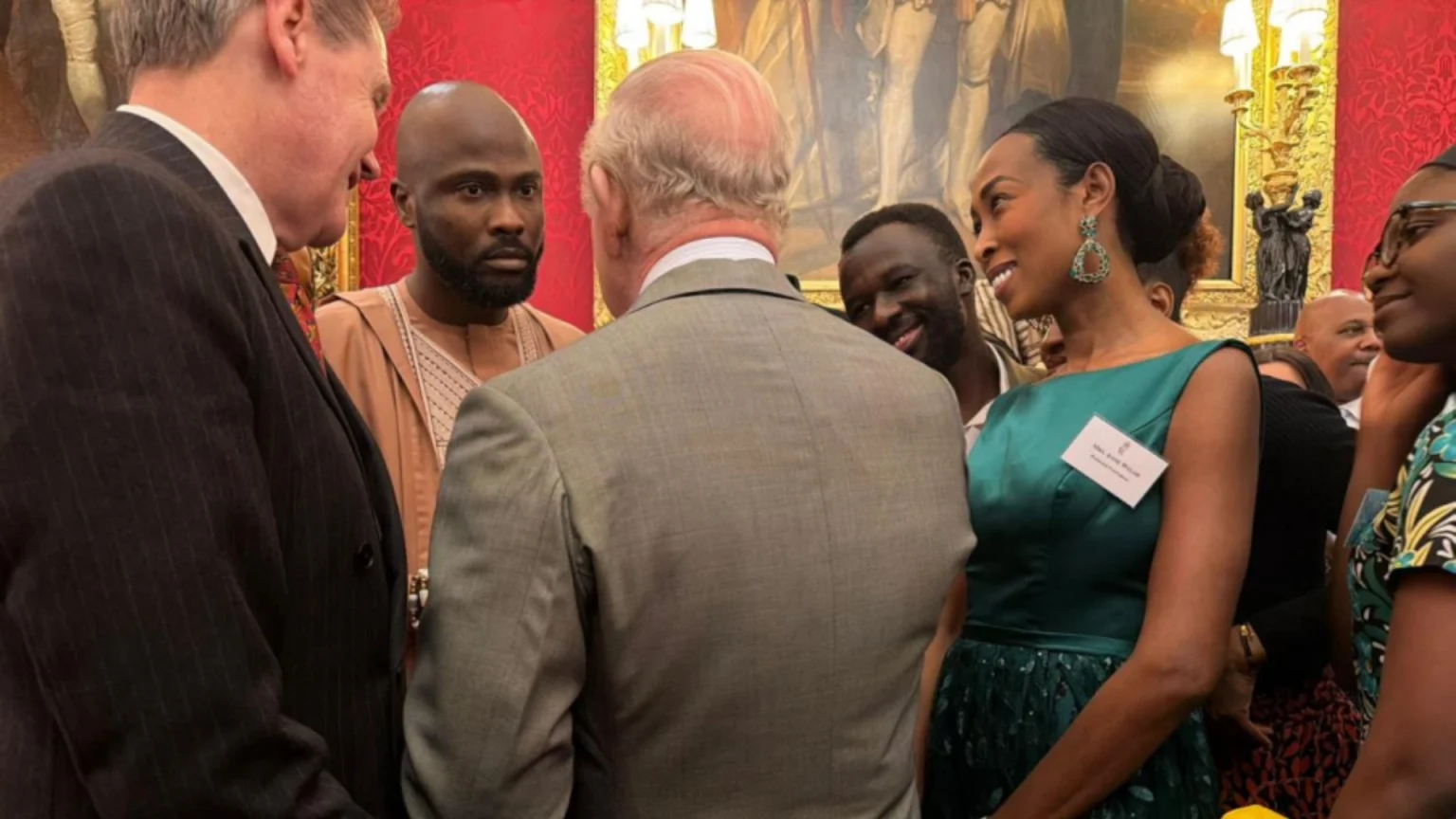
When the invitation arrived, I read it twice. His Majesty The King had invited a select group of Nigerian diaspora leaders to a private reception at St. James’s Palace, days before President Tinubu’s State Visit to the United Kingdom. The first such visit in 37 years. And I was being asked to be in the room.
What struck me most was not the personal honour. It was the weight of what the moment represented for every Nigerian who has built a life here, contributed to this country, and still been made to feel like a guest rather than a stakeholder.
To understand why this visit matters, you must understand what preceded it. Previous Nigerian State Visits to the UK took place in 1973 and 1981. Then came 1989, General Babangida’s visit under Queen Elizabeth II, and after that, silence at the highest level of diplomatic ceremony for nearly four decades. The relationship continued at lower registers.
King Charles, then Prince of Wales, visited Nigeria four times, in 1990, 1999, 2006, and Queen Elizabeth II’s last visit was in 2003 for the Commonwealth Heads of Government Meeting. Last September, King Charles received President Tinubu at Buckingham Palace, where climate change was reportedly on the agenda.
But a bilateral meeting, however warm, is not a State Visit. State visits signal intent at a different level entirely.
The reception at St. James’s Palace was intimate. Not a press event or a photo opportunity. It was a genuine gathering of people who sit at the intersection of Nigerian heritage and British civic life, people who have spent careers building bridges between two countries, two cultures, two sets of expectations.
I left thinking about the people who would never be invited to a room like that, but whose lives will be shaped by what is decided in rooms like that. The young British-Nigerian graduate navigating a job market that still carries bias. The entrepreneur trying to move capital between London and Lagos. The family straddling two systems, two identities, two sets of stories about who they are and where they belong. Those are the people this visit needs to serve.
What the Diaspora Deserves
I am not naive about diplomacy. State visits produce communiques more often than they produce immediate change. But moments like this create possibilities, and possibilities only become realities when people push for them.
Here is what this visit must deliver. A genuine diaspora agenda, not a footnote in a trade agreement, but a formal commitment to recognising the economic and civic contributions of the Nigerian community in the UK. Diaspora remittances to Nigeria exceed foreign direct investment year after year. We are an economic force and deserve to be treated as one.Post-Brexit immigration policy has made movement between the UK and Nigeria more difficult, more expensive, and more humiliating than it needs to be. A strategic partnership must produce a visa framework that reflects partnership.
The fact that climate was reportedly on the agenda when King Charles met President Tinubu in 2024 is encouraging and for the few minutes I had to speak with the King, that was an area he talked about. But encouraging conversations must now become binding commitments.
Nigeria is on the front line of the climate crisis. Any bilateral agreement that does not put climate adaptation at its centre is not serious about the future.
King Charles has visited Nigeria four times. He has seen the country, its people, its potential, and its challenges up close. President Tinubu has sat with him and spoken about the climate.
There is a foundation here. The question is what we choose to build on it. The Nigerian diaspora in the UK has waited long enough to be treated as a partner in this relationship rather than a footnote. This visit is a beginning. What we do with it is up to all of us.
Oluwatobi Aigbogun is a Nigerian leader working across international development, philanthropy, and sustainability. He is Managing Partner at DevTalks Ltd. He serves as Trustee at the United Nations Association UK and co-hosts the award-winning Sustainability and Climate Podcast. He is based in London.
In this article