
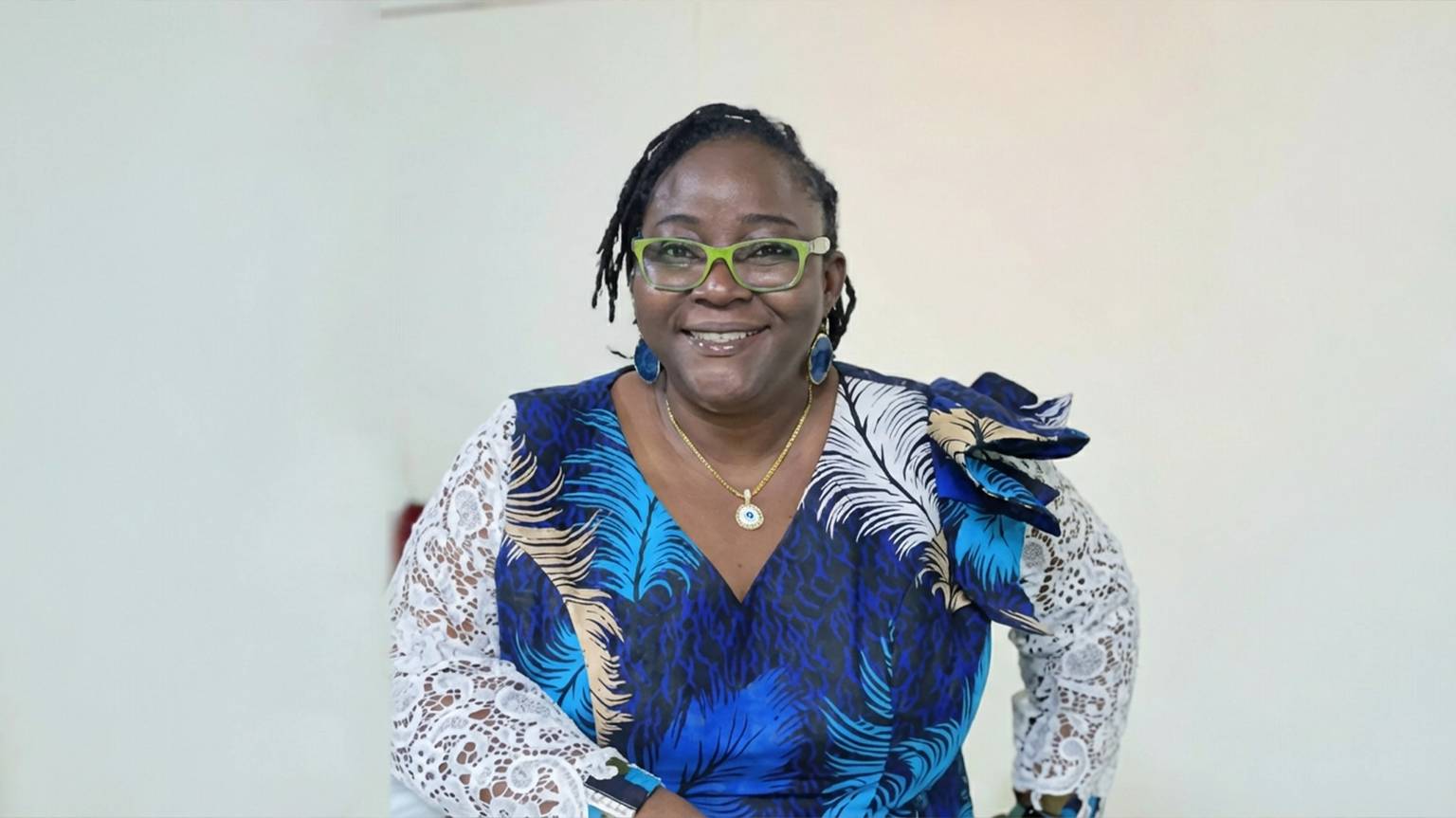
By Eseroghene Mudiaga-Erhueh
A good piece of music can move you. But introduce the sound of a locally made, easily accessible drum — like the Bata in Yoruba lands.
Something familiar, affordable, alive in the hands of the people — and that same song becomes genius.
It gains rhythm, identity, reach.
That is what digital inclusion does for women and young people.
It does not invent talent. It amplifies it.
Across Nigeria and much of Africa, millions of women and youths already possess ideas, skills and the will to work.
What they lack is not ambition; it is access — to devices, connectivity, training, platforms and digital capital.
Without inclusion, innovation remains a good tune heard only in private rooms.
From Silence to Scale
Digital inclusion turns informal effort into formal opportunity.
Obscurity into recognition.
A woman selling vegetables in Ajegunle with a smartphone, mobile money access and basic digital literacy is no longer a street trader.
She is a micro-entrepreneur with customers beyond her junction, records beyond memory and income beyond cash flow chaos.
A young graphic designer in Aba with broadband and access to global marketplaces is no longer waiting for “connections”.
He is exporting creativity, earning in foreign currency and building a portfolio that outlives geography.
The drum is the difference.
Economic Participation Without Gatekeepers
Traditional economic systems favour the connected few.
Digital systems flatten the field.
When women can access e-commerce tools, digital wallets and social media marketing, they bypass gatekeepers who once controlled capital, markets and legitimacy. When youths can learn online, collaborate remotely and pitch globally, the tyranny of location collapses.
When marginalized voices can amplify their stories through podcasts, blogging, and online publications, they break free from mainstream media gatekeepers.
When artists can showcase their work on social platforms, their talent speaks louder than their network. In these digital spaces, unknown creators become forces – proving that with the right tools, visibility isn’t bound by pedigree or geography
This is not empowerment rhetoric.
It is economic restructuring.
Digital inclusion converts survival businesses into scalable ventures, idle talent into employable skill, local hustle into global enterprise.
A New Social Contract
There is also a civic dividend.
Digitally included citizens participate better in governance.
They access information faster, organise smarter, demand accountability louder.
Women amplify their voices beyond cultural barriers. Youths move from protest to policy engagement, armed with data and platforms.
The rhythm changes when everyone has a drum.
The Infrastructure of Dignity
But digital inclusion is not just about fibre cables and devices.
It is about dignity.
Training programmes in local languages.
Affordable data.
Community tech hubs.
Gender-responsive digital policies.
Protection from online exploitation.
These are not luxuries; they are the scaffolding of a modern society.
Without them, technology becomes another elite instrument — a polished piano in a room where most people cannot enter.
The Final Note
Africa does not lack creativity.
It lacks harmonisation.
Digital inclusion is Bata — accessible, familiar, powerful — that turns scattered notes into a movement.
When women and youths are digitally equipped, the economy does not merely grow; it finds its rhythm.
And once the beat is right, the world listens.
In this article