
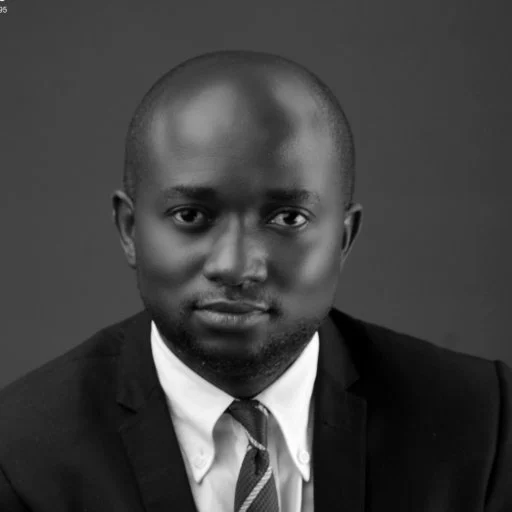
A university don, Prof. Innocent Emmanuel, has called for increased funding and institutional support for human pathology in Nigerian universities, describing the discipline as “the supreme court of medicine” and the final authority in disease diagnosis.
Emmanuel, an ex-chairman of the Nigerian Medical Association in Plateau State made the call on Tuesday while delivering the 129th inaugural lecture of the University of Jos, titled, “Supreme Court of Medicine.”
The lecture, held at the university auditorium, focused on the historical evolution, current challenges and future prospects of human pathology in Nigeria’s health and academic systems.
Justifying his choice of theme, Prof. Emmanuel likened the process of medical diagnosis to legal proceedings in the Supreme Court.
“The tedious diagnosis of medical conditions by medical teams often culminates in science-based conclusions that could be likened to verdicts passed by the supreme court after listening to legal debates from prosecuting and defence counsels,” he said.
“However, unlike the legal supreme court, the process of arriving at a conclusion on medical matters strictly depends on verifiable scientific indices only,” he added.
Emmanuel traced the development of pathology from ancient methods of disease investigation to modern molecular diagnostics, arguing that no meaningful progress in medicine can occur without a strong pathology foundation.
The don explained that arriving at a medical verdict involves “collection of samples, right through to testing using diverse tools that include microscope and other devices, all in the bid to ascertain the true nature of a medical condition.”
He maintained, “It is usually after all investigations have been clinically conducted on the body tissues and cells that a disease condition or medical status is established. That is why we call pathology the supreme court of medicine.”
Prof. Emmanuel who also noted the growing need for accurate diagnosis in hospitals, stressed that it makes it imperative for the government and stakeholders to invest more in human pathology.
“The cost of training of professionals; purchasing of the right equipment and provision of befitting environment in schools and hospitals remain areas needing governmental and non-governmental supports,” he insisted.
However, the don, while reminding the gathering of the cost implication of assembling the totality of the essence of pathology services, declared, “Human pathology is capital intensive. You need electron microscopes, immunohistochemistry labs, molecular facilities, and stable power. But what we have in most universities today is grossly inadequate ”
Thus, the professor called for “broad collaborations” between universities, teaching hospitals, research institutes, government and development partners to bridge infrastructure gaps and expand research in the field.
He pointed out, “Pathology must not be treated as a support service. It is the foundation upon which all other medical specialties rest. When pathology is weak, the entire health system is weak.Human pathology is the supreme court of medicine. It is where the final verdict on disease is pronounced. Every clinical decision, every surgical intervention, every public health policy must be anchored on a pathological diagnosis,” he said.
“Without pathology, medicine is blind. The clinician may suspect, the radiologist may suggest, but it is the pathologist that confirms,,” he stressed.
He also called for increased investment in postgraduate training, research grants and digital pathology to prepare students for 21st century medicine.
“The world is moving to digital slides and AI-assisted diagnosis. Our students must be trained on these platforms if they are to remain relevant and reduce medical tourism
“I equally loud the call, sounding it to echo across the globe for local and global communities to advance the practice of pathology. As disease somewhere is disease elsewhere, an endemic inefficiency could result in pandemic catastrophy.
“Indeed, the consequences of neglecting a disease anywhere is dire and knows no borders. Therefore, the response should protect everyone, leaving no one and no country behind. Each country must come to the table with their local contributions towards a global robust pathology practice.
“These local actions coordinated by national governments could further be surmised by international statutory bodies towards a healthy globe as the practice of pathology, the Supreme Court of Medicine guarantees a healthier and safer world,” Prof. Emmanuel concluded.
In his remarks, the Vice Chancellor of the University of Jos, Prof. Ishaya Tanko commended Prof. Emmanuel for his “scholarly depth and commitment to advancing medical education”
The event was attended by members of the university community, medical practitioners, students, and stakeholders in the health sector.
The 129th inaugural lecture series is part of the University of Jos’ tradition of showcasing academic excellence and research contributions by its professors.
In this article