
By Sulaiman Salawudeen
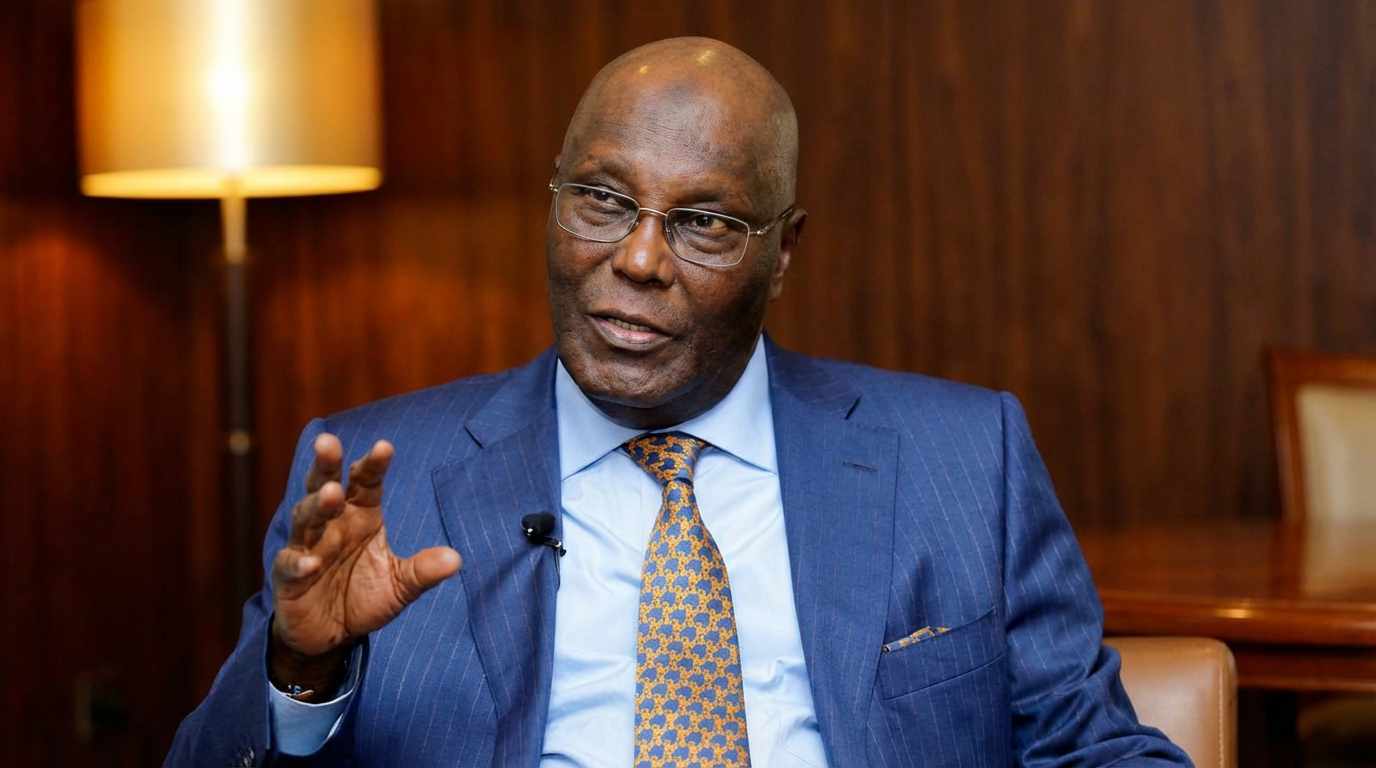
Sir: It seems almost likely Alhaji Atiku Abubakar, Nigeria’s former vice president, will be vying for the country’s highest office on the platform of the African Democratic Congress (ADC) and it will be Atiku’s seventh time! But times have changed, and so too are the dynamics that underlie political conducts!
It is therefore fitting someone explores why Nigerians must mass enough on his side to cause him resounding win, even as ethnicity, rather than competencies, will be prime in what shapes out as voting eventualities!
Indeed, the proposition rests on a combination of influences. If priority is for a leader with proven track record of sincere commitment to Nigeria’s constitutional sanctity and clear vision for the country’s socio-structural transformation, Atiku’s success at the approaching poll should confront average electorate across the country’s geopolitical divides as compelling imperative.
So far, the incumbent, President Bola Tinubu, has done his bit as president and commander-in-chief, and will be seeking to retain the seat beyond 2027. But general assessments seem to unfavour his tenure elongation desire, a fact often justified against excessively severe austerities commonly believed to be direct result of his economic policies.
Quite many had stridently campaigned for him in 2023, ceaselessly waxing lyrics in the newspapers, even across informal settings, concerning his competencies to deal desirably with multiple issues that have dogged the country’s forward march. Most of the supporters had then offered his Lagos leadership as backdrop. But many of the initial backers have lately applied the reverse gear and disavowed such beliefs.
One reason Nigerians have to prioritise Atiku’s electoral success in 2027 is his vast experience in governance at the highest levels. Having served as the country’s vice president for eight years (1999-2007) under President Olusegun Obasanjo, he possesses keen understanding of the executive branch, national policy formulation, and the intricacies of managing an ethnically diverse federation like Nigeria. As head of the country’s economic team, Atiku was instrumental in the privatisation programme that reworked key sectors like telecommunications and energy.
Such policy decisions, particularly the revolution in mobile telephony, have continued to yield positive consequences that are felt till today. This direct exposure to presidential responsibilities, including representing Nigeria on the international stage on many occasions, provides a foundation of practical knowledge.
There is no politician, past public office holder or presidential aspirant anywhere in the country today who is more in the news, maligned, assailed and buffeted more and worse than Nigeria’s former vice president. He has been the butt of jokes, subject of book chapters and memoirs, title of essays, all attempting to rubbish whatever positive achievement he could lay claim to. One suspects it is the way of political greats anywhere!
Sulaiman Salawudeen, essayist/polemicist, can be reached via sulaimansalawudeen@gmail.com
In this article