
The United States has imposed sanctions on Italy-based Autistici/Inventati (A/I Collective), Palestine Action and other entities linked to what Washington described as transnational far-left terrorist networks.
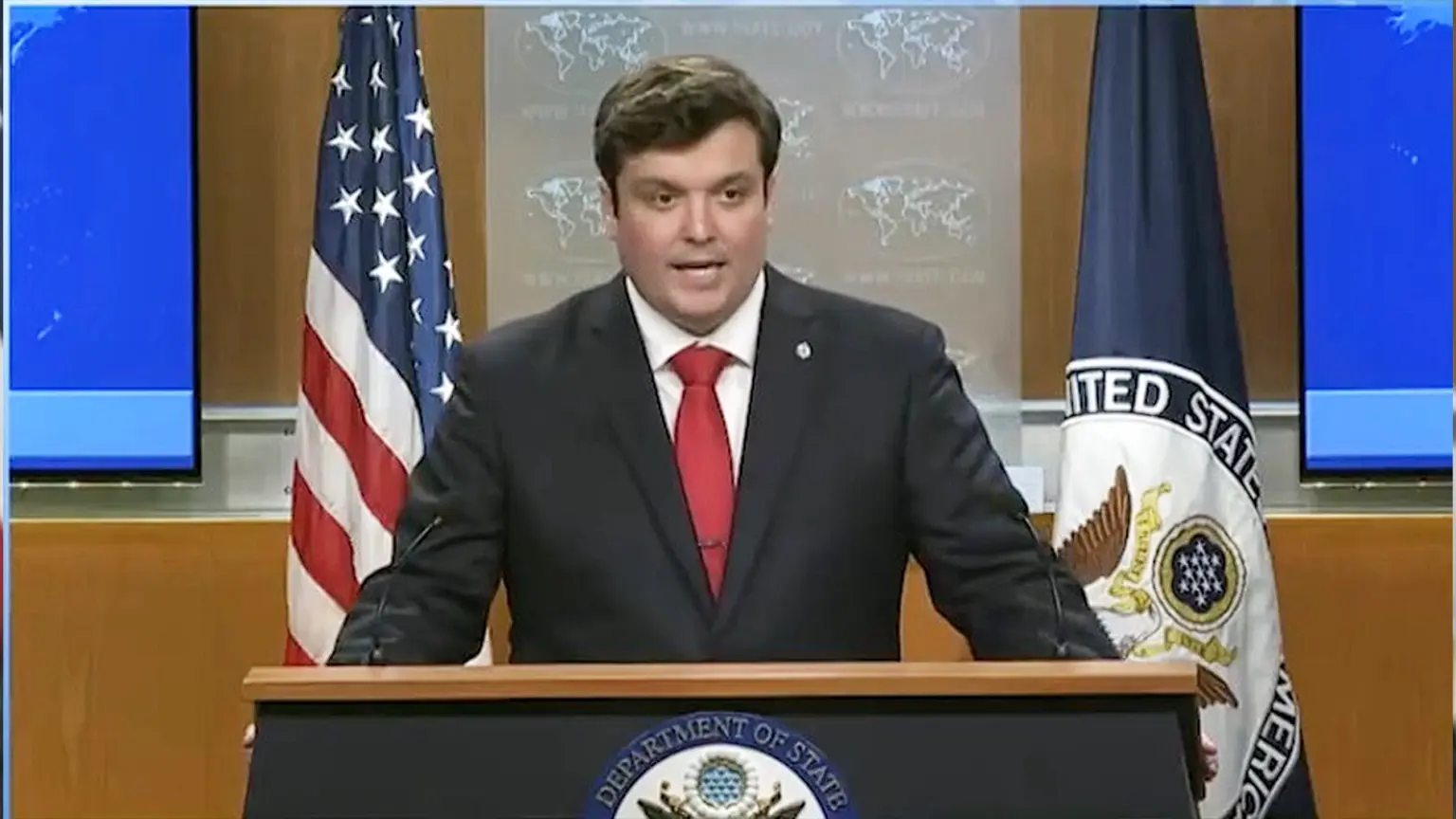
The United States State Department, in a statement issued on Wednesday by spokesperson Thomas Pigott, said the sanctions were part of efforts to disrupt international networks that organise, facilitate and carry out acts of political violence.
According to the statement, the A/I Collective provides digital infrastructure for Antifa cells and other radical left-wing networks in the United States, Europe and other parts of the world.
It alleged that the group’s digital services are used by far-left militant groups to organise, recruit and communicate, as well as share target information, tactical manuals, techniques and communiqués.
The State Department said the latest action followed commitments made at the July 16 Ministerial on the Resurgence of Political Terrorism, where the United States pledged to combat what it called the resurgence of far-left political terrorism.
The sanctions also target Palestine Action, which the US designated for allegedly providing material, financial or technological support for, or goods and services connected to, an act of terrorism.
Masar Badil, described as the Alternative Palestinian Path Movement, was also sanctioned for allegedly being owned, controlled or directed by, or acting on behalf of, the Samidoun Palestinian Prisoner Solidarity Network.
The United States further designated Rawa Alsagheer and Zaid Abdulnasser, identified as leaders or officials of Masar Badil.
Under the sanctions, all property and interests in property of the designated entities that are subject to United States jurisdiction are blocked. American persons are also generally prohibited from conducting transactions with the sanctioned groups and individuals.
The State Department warned that financial institutions and other persons could face sanctions exposure for certain transactions involving the designated entities, including the provision of funds, goods or services.
It said foreign financial institutions could also face secondary sanctions for engaging in certain transactions involving the designated entities, while violations could attract civil or criminal penalties.
The measures were imposed under Executive Order 13224, as amended, a United States counterterrorism authority targeting terrorists, terrorist organisations and those accused of supporting terrorism.
The State Department said the designations formed part of a broader United States government effort to counter the threat posed by transnational far-left terrorism, warning that violent extremist networks would face continued action from Washington.
The United States government has increasingly focused on disrupting international networks it says facilitate political violence, using financial sanctions and other counterterrorism measures to target groups and individuals beyond its borders.
In this article