
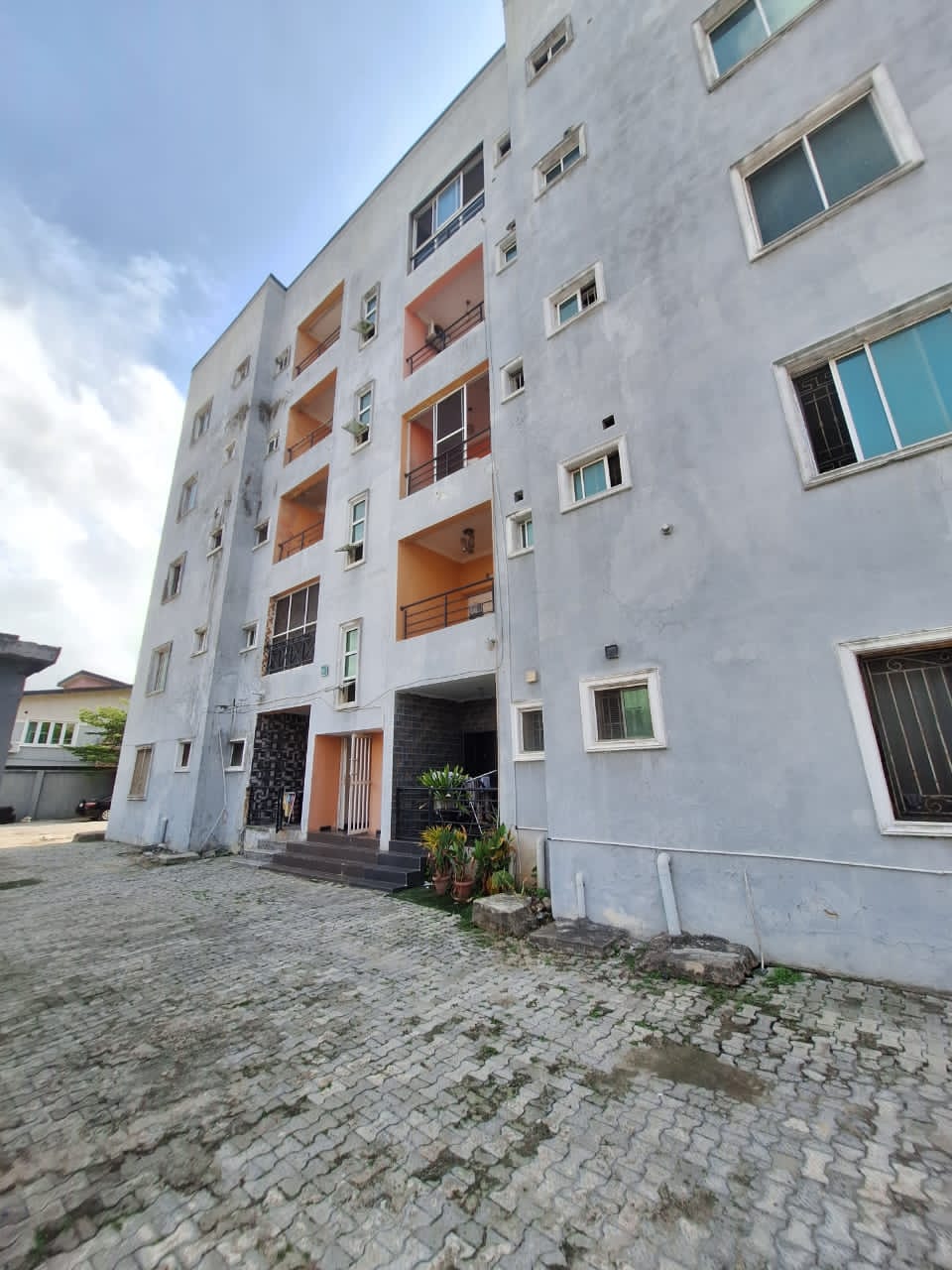
Nigeria’s housing market is undergoing a significant shift as expanding infrastructure and urban renewal programmes begin to redefine residential demand patterns across the country, a new report has revealed.
The statewide report, titled “2026 Nigerian Residential Market Review” by Diya Fatimilehin & Co., noted that across the six geo-political zones, new road corridors, energy projects, and urban renewal initiatives are reshaping the real estate landscape, even as progress remains uneven. It stated that infrastructure spending has emerged as a key driver of real estate activity nationwide, influencing both investment decisions and housing demand.
According to the report, rental prices continue to rise across the country, with average increases in double digits depending on location, property size, and available amenities. It added that major transport projects, including the Lagos-Calabar Coastal Highway and upgrades to federal and state roads, are enhancing regional connectivity and unlocking new residential corridors.
“The scale of Nigeria’s housing deficit remains significant, requiring about 700,000 units annually over the next two decades. This shortfall continues to sustain demand across both ownership and rental markets. While institutional financing initiatives are emerging, mortgage penetration remains low,” the report stated.
It observed that regional markets are responding differently to these dynamics. In the South-East and South-South, diaspora investments and improving infrastructure are sustaining price growth in prime residential locations, while northern cities are beginning to recover as reconstruction efforts and transport upgrades stimulate urban activity.
For investors, the report emphasised that locations benefiting from sustained infrastructure development are likely to remain the most resilient in driving housing demand.
It highlighted ongoing initiatives such as the South-East Vision 2020 blueprint aimed at repositioning the region as a growth hub. Projects including the Abia Airport, road expansions in Anambra, and the launch of Enugu Air connecting Enugu to Lagos and Abuja were cited as indicators of increasing economic integration.
The report noted that the South-East housing market, traditionally dominated by owner-occupiers, is gradually becoming investment-driven, with developers exploring rental housing and mixed-use developments in cities such as Awka, Umuahia, Owerri, and Enugu.
In the South-South, it identified the Lagos-Calabar Coastal Highway as a landmark project expected to transform logistics, tourism, and property development along the corridor. Additional infrastructure projects across Edo, Delta, Bayelsa, and Akwa Ibom are also contributing to market expansion.
his trend, the report said, reflects growing demand from professionals, entrepreneurs, and diaspora Nigerians seeking modern housing with reliable infrastructure and urban amenities.
In the South-West, the report described the region as Nigeria’s most dynamic economic corridor, driven by Lagos and supported by industrial growth in neighbouring states. Strong internally generated revenue, increased infrastructure investment, and diaspora inflows continue to shape the real estate market.
It noted that Lagos remains the epicentre of real estate investment, with prime districts ranking among the most expensive nationwide. In Eko Atlantic, for instance, the average price of a four-bedroom apartment has risen to about N2.5 billion.
The report also pointed to growing commercial activity, citing developments such as the Orca Mall, which is expected to complement residential demand in the area. Urban renewal efforts, including the redevelopment of Makoko and other informal settlements, alongside major projects such as the proposed $3 billion Green Line rail, the Sokoto-Badagry Superhighway, the $1 billion modernisation of Apapa and Tin Can ports, and the Ilubirin Foreshore housing project scheduled for completion in 2026, were identified as key growth drivers.
Across the northern regions, the report noted gradual expansion in infrastructure and urban development, particularly in Kano and Kaduna, which are emerging as regional growth hubs.
Key projects include the proposed N1 trillion metropolitan rail system in Kano, road expansions linking transport corridors to Aminu Kano International Airport, and Kaduna’s light rail initiative.
In the North-Central, Abuja continues to attract significant institutional investment, with about N1.31 trillion allocated to capital projects in 2025. Housing and infrastructure developments are advancing in key districts, including over 3,000 housing units under the Renewed Hope Cities Programme.
In this article