
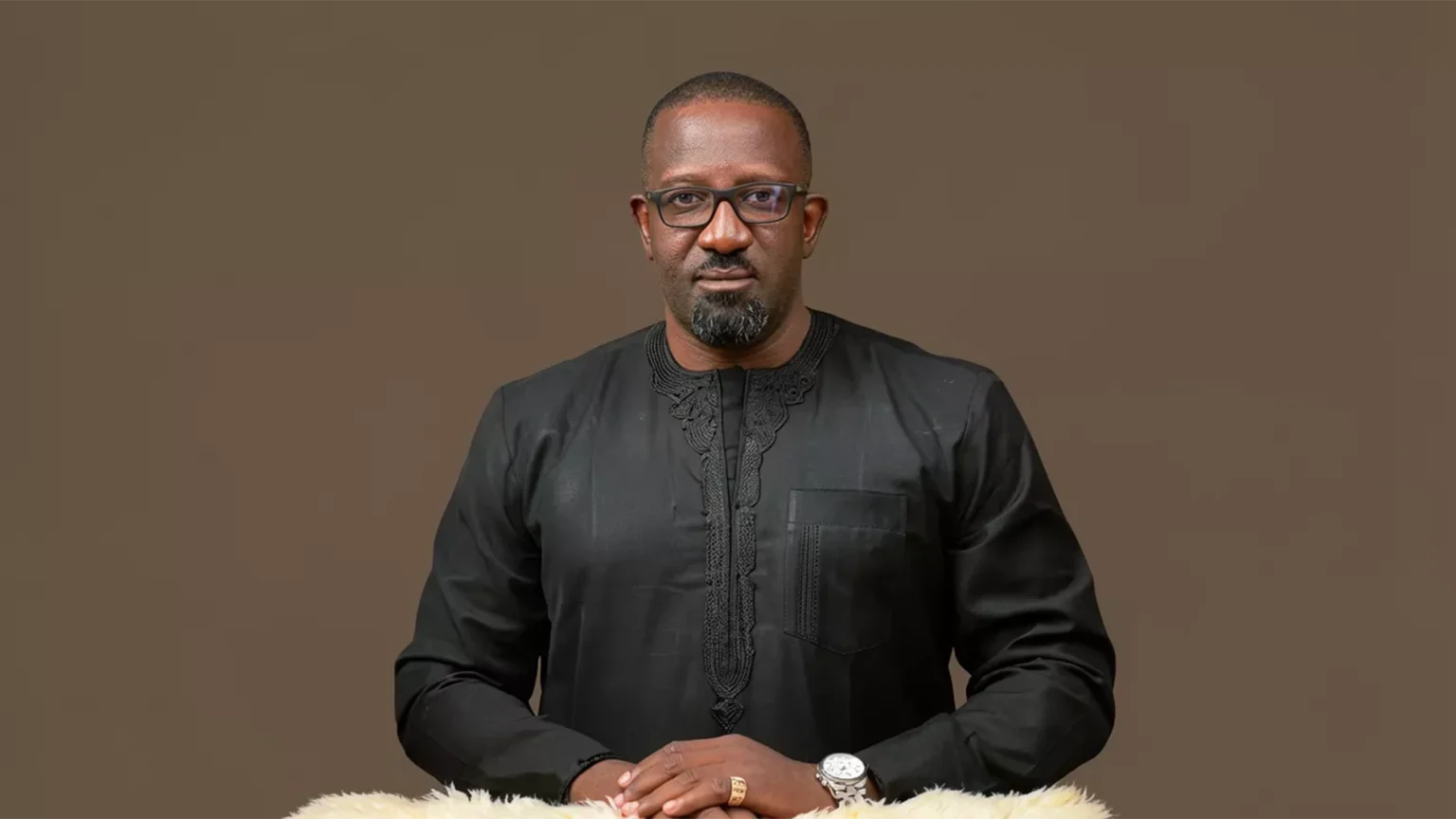
A former South-East spokesman to President Bola Ahmed Tinubu and Chairman of the Forum of Former Members of the Enugu State House of Assembly, Denge (Dr) Josef Onoh, has described the latest United States travel advisory on Nigeria as “ill-timed” and “politically motivated,” warning that it could strain diplomatic relations between both countries.
In a statement made available to journalists in Abuja, Onoh criticised the April 8, 2026 advisory issued by the United States Department of State, which retained Nigeria at Level 3: Reconsider Travel over concerns including crime, terrorism, kidnapping, civil unrest, and inconsistent healthcare.
The advisory also expanded its Level 4: Do Not Travel list to include Plateau, Jigawa, Kwara, Niger and Taraba states, bringing the total number of restricted states to 23. It further authorised the voluntary departure of non-emergency US government कर्मचारियों and their families from its Abuja embassy, citing a “deteriorating security situation.”
Onoh acknowledged Nigeria’s security challenges, noting that insurgent groups such as Boko Haram and Islamic State West Africa Province operate in the North-East, while banditry and kidnappings affect parts of the North-West and North-Central regions.
“These threats are real and demand vigilance, particularly outside major urban centres,” he said.
However, he argued that the advisory’s “broad framing and recent expansions warrant a measured response,” insisting that security risks in Nigeria are largely regional rather than nationwide.
Onoh maintained that major commercial hubs such as Lagos, Abuja and Port Harcourt continue to host international businesses and expatriates, adding that “the advisory’s wide brush risks overstating dangers for prepared travellers who use vetted transport, private security, and local intelligence.”
He further stated that the Tinubu administration is actively addressing insecurity, noting that the 2026 Appropriation Bill of ₦58.18 trillion allocated ₦5.41 trillion—the largest share—to defence and internal security.
According to him, “Nigerian security forces continue operations that disrupt insurgent and bandit networks.”
Drawing comparisons, Onoh said countries like Mexico and South Africa, which also face security concerns, have not been subjected to similarly expansive advisories.
“Nigeria’s treatment, with 23 states flagged, appears disproportionately broad given ongoing commercial activity and diplomacy in non-affected zones,” he said, adding that “travel advisories are conservative by design, but expansions can sometimes reflect broader diplomatic signals rather than purely granular risk data.”
On the economy, Onoh pointed to reforms under President Tinubu, stating that Nigeria recorded 3.98 per cent GDP growth in the third quarter of 2025, while inflation declined for eight consecutive months to 14.45 per cent by November 2025. He added that foreign reserves strengthened to between $44 billion and $47 billion, alongside a trade surplus.
“These gains address root causes of insecurity such as poverty and unemployment while supporting long-term stability,” he said.
Onoh also noted that while healthcare access varies, major private facilities in key cities meet international standards for those who can access them.
Summarising his position, he said the advisory “correctly flags genuine risks that require caution, especially in high-threat zones,” but argued that “its tone, the partial staff departure authorisation, and nationwide ‘reconsider’ framing can appear overly punitive, politically motivated and insufficiently nuanced.”
He warned that such measures risk undermining bilateral ties and discouraging investment.
Onoh urged the US to adopt a more targeted and collaborative approach, suggesting “granular, metrics-based regional advisories” limited to high-risk areas, while downgrading cities like Lagos, Abuja and Port Harcourt to Level 2.
“Even my home state, Enugu, can boldly be said to be among the safest in the South-East, yet it was included,” he said.
He also called for expanded security cooperation, including intelligence sharing, training, and technology transfer to tackle terrorism and banditry.
“If the advisory was not politically motivated, the US government would have strengthened security cooperation with Nigeria and promoted economic engagement in secure corridors,” he stated.
Onoh added that maintaining full embassy operations, deepening cultural exchanges, and coordinating with allies on “consistent but nuanced guidance” would better reflect a strategic partnership.
“These frameworks replace signalling of isolation with engagement that rewards progress,” he said.
In this article