
By Bisi Adeleye-Fayemi
A long time ago, there was an annual festival in a community in Ekiti. Its purpose was to highlight anti-social behaviour and to serve as some form of accountability mechanism. The young people would dance around the community and visit homes of ‘offenders’, those who had stolen farm produce, cheated their labourers, slept with the wives or husbands of others and so on. They would arrive singing and dancing, waving canes and asking the ‘culprit’ to come out. The culprit would be forced to dance with them and make an offering in cash or kind. It was meant to be harmless fun, but it served the purpose of ensuring communal order.
One year, they went to call out a chronic debtor. Let me call him Baba Kekere. The local youth arrived at his compound singing about his reputation as a debtor, waving their canes and asking him to come out and join them. Baba Kekere emerged from his compound to take a look at the spectacle, then he went back inside his house. The singing and insults continued outside and got even louder. Then Baba Kekere came out again. Suddenly, the singing and dancing changed to pandemonium, with people running in all directions, screams and wails disturbing the air and clouds of dust trailing the fleeing youth and nosy neighbours. When the dust settled, there was a headless corpse lying in front of Baba Kekere’s compound. That was the last year the festival took place in that community. It never happened again. The community still stands. The sun still rises and sets there. Generations after the festival was banned, people still carry on with their lives. The traditional ruler and elders agreed that no tradition was worth the blood of anyone. The festival was left behind.
It is understandable for a colonized, dehumanized, and brutalized people to want to hold on to what defines them. Cultures and traditions hold keys to our past, present, and future. We embrace them as things we are meant to hold in trust, just the way our ancestors kept the faith. We keenly look forward to passing on what we have, who we are and what we know to our children and for them to continue to do this. The problem is that not all things deserve to be passed on. Not all cultures or traditions are meant to be preserved as they were. There was always a context to these practices, and they never remained the same, they evolved. Migration, education, religion, politics, the economy, technology, family, globalisation, all these have an impact on cultures.
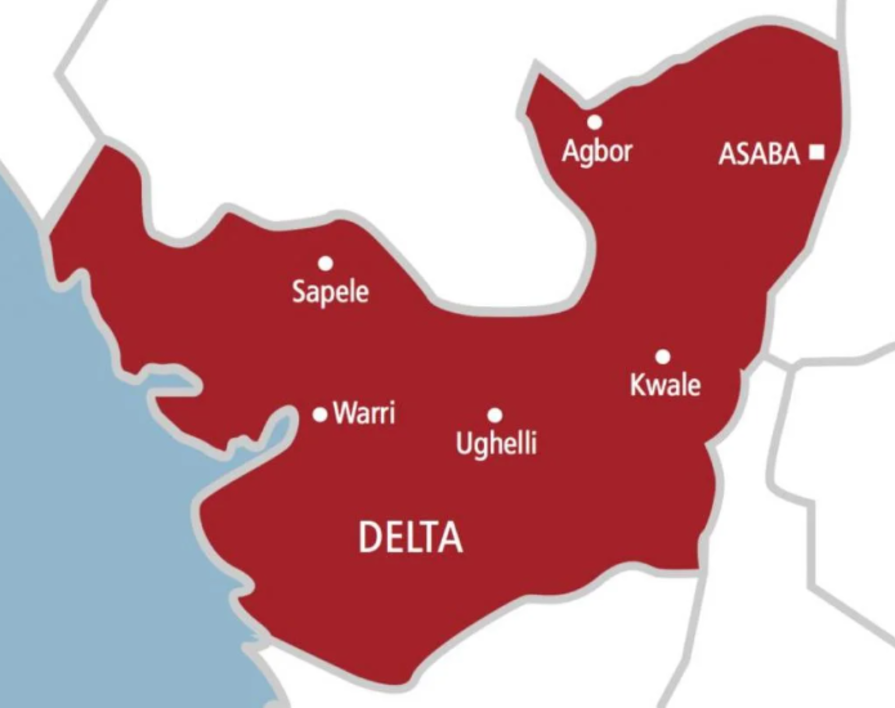
The recent scandal from the Ozoro community in Delta State is a case study on what needs to be left behind. The disturbing images from Ozoro last week, which showed mobs of young men sexually assaulting young women, all in the name of celebrating a festival, were hard to see. Some Ozoro leaders issued a statement to say that the event is meant to be a fertility festival, where young couples who are married, but do not have children, are teased, with sand being poured on the women, all to encourage them to make haste and multiply. This might sound like the original intent of the festival, but this is obviously no longer the case, since it has been allegedly hijacked by local hoodlums. Even the so-called history of the festival is deeply problematic. Why would any culture call out young couples who are struggling with fertility issues? Fertility festivals or rituals have existed all over the world in almost every culture. A fertility festival ought to be a time when peaceful supplications and offerings are made to supreme beings and the ancestors. Publicly shaming a couple, and particularly the women, is not about community solidarity in the face of a personal problem, it is dehumanizing and wicked. It is therefore no surprise that this silly practice has mutated into a full-blown assault on women.
We have heard about the real intent of the festival. Now let us listen to what the young people in Ozoro have been saying. On the one hand, you claim that this is meant to be a fertility festival, on the other hand, women are banned from appearing in public during this period. What kind of fertility festival does not require the presence of women? If prayers are to be said and supplications made, who is meant to receive them? Only the man who does half of the work and not the woman who carries the result in her womb for nine months?Keeping women out of the public domain during certain festivals is quite common. The famous ‘Oro’ festival in parts of Yorubaland is an example. Various reasons are always given – security, cleansing, appeasing the Gods and so on. None of this justifies the blatant discrimination against mothers, sisters, wives, and daughters.
This ‘fertility festival’ in Ozoro has never really been about the dignity of women and the continuity of the community. It has always been about stripping away dignity, coercion, and control. The hordes of young men we saw in videos descending on screaming women have simply taken it upon themselves to move to the next stage – the total erasure of women’s respect and bodily integrity.
Ozoro community might be in the spotlight now, but they are not alone. Many communities across Nigeria have practices that abuse women and make them vulnerable throughout their life cycle. Female genital mutilation, child marriage, torture of widows, ‘money wives’, son preference, lack of inheritance rights, ritual servitude, rape,witchcraft allegations, it is a long list, with many victims. All these indignities which women suffer do not heal any community. They do the opposite. A culture that renders women and girls voiceless and without agency eventually becomes unproductive.
According to the police, investigations are still going on to determine what happened in Ozoro. I believe further action is needed. After receiving the results of the investigation, the Federal Government (or at least Delta State government) needs to set up a Panel of Enquiry on Harmful Traditional Practices. Its mandate should be to look into the various harmful practices we have in communities across the country and seek the support of traditional rulers and religious leaders. We cannot keep calling ambulances when victims are down, we need to prevent the need for one in the first place. For this to happen, we all have a lot of work to do. There are too many young men growing up with the belief that women are their playthings and consent is not an issue. Male entitlement, youth unemployment, hopelessness, drugs, and negative use of social media are a toxic combination, and women pay the price.
Some cultural practices need to be left behind. Stopped. Banned. Eradicated. The human rights of women are inalienable, inviolable, and indivisible. No religion, culture or tradition should be used as a tool to persecute women from one generation to the next. Enough is enough. If the government (Federal or State) decides to set up this panel, and victims/survivors come forward, you will be surprised to learn that what happened in Ozoro has equivalence in countless other places. Things are happening out there in many communities, and they are not good things. They are practices behaviours and norms that should have been left behind a long time ago. We need the wisdom of the elders of Baba Kekere’s village.
•Bisi Adeleye-Fayemi is a Gender Specialist, Leadership Coach, Policy Advocate and Writer. She is the Founder of Abovewhispers.com, an online community for women. She can be reached at BAF@abovewhispers.com
In this article