
In a significant boost to national infrastructure security, traffic efficiency, and
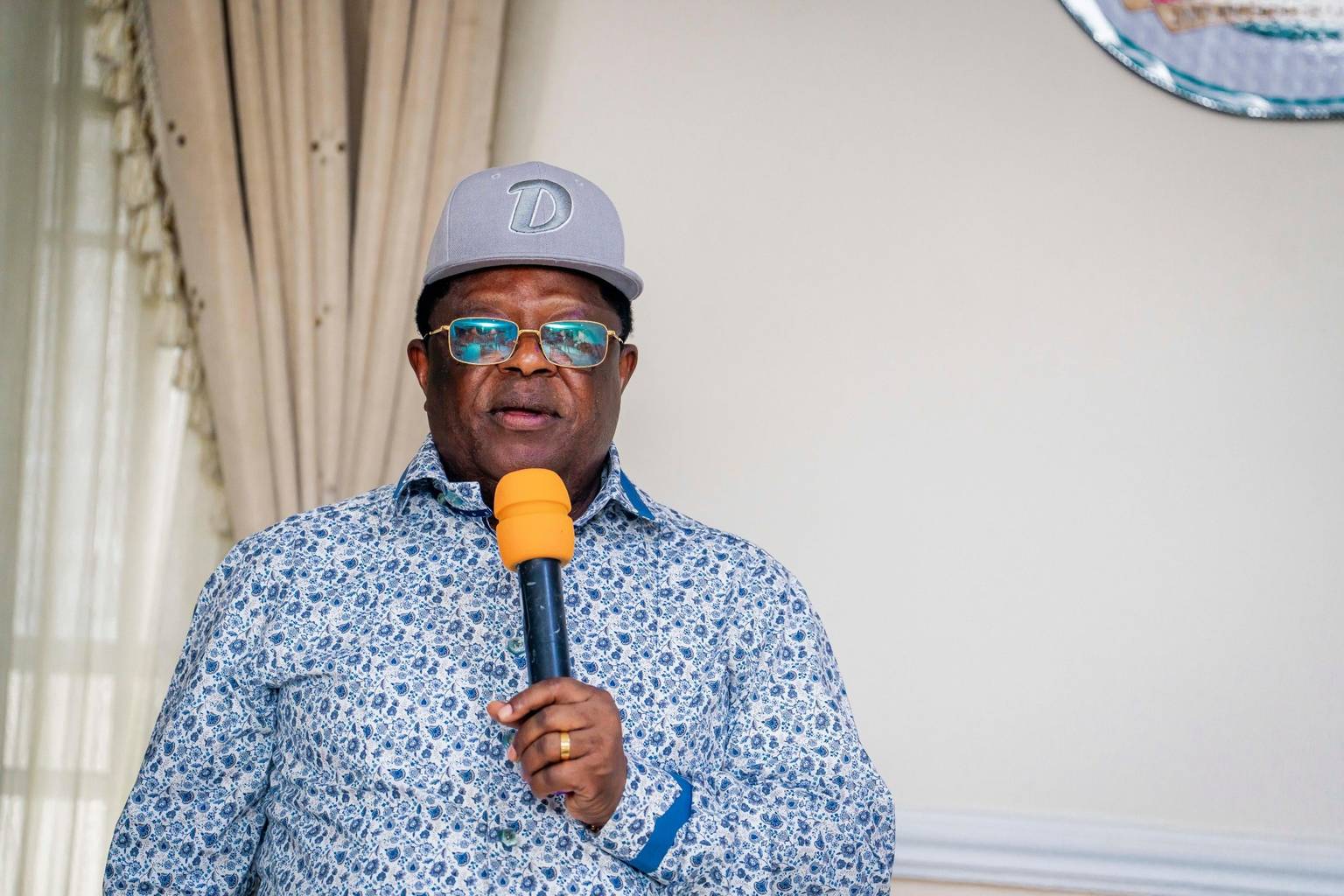
economic connectivity, the Minister of Works, David Umahi, at the weekend commissioned the CCTV Monitoring and Viewing Centre for the Second Niger Bridge, marking another milestone in the Federal Government’s Renewed Hope Agenda.
The newly commissioned CCTV system covers a stretch of 11.9 kilometres, from the toll station to the Awka Interchange, and is equipped with modern 4K surveillance cameras, solar-powered lighting, and real-time monitoring facilities.
The commissioning ceremony, held along the strategic Asaba–Anambra corridor, highlighted the Federal Government’s commitment to complementing landmark infrastructure with smart surveillance technology, rapid-response security
architecture, and durable road construction designed to last for generations.
Speaking at the event, Umahi, an engineer, recalled that upon assuming office on 29 May 2023, the present administration inherited the Second Niger Bridge substantially completed by the previous government. However, he noted that critical ancillary works, particularly access and bypass routes, were either incomplete or not initiated.
“While the bridge itself was heartwarming to behold, the peace and pieces left behind were fully and totally completed under the leadership of President Bola Ahmed Tinubu,” Umahi said.
“Now, we are happy not only to secure this bridge but also to ensure its full functionality and safety.”
According to the Minister, the system eliminates the need for physical security personnel stationed on the road. He added: “No security man will be on the road again. All personnel will operate from the control centre with walkie-talkies, ensuring a response time of less than five minutes to any eventuality.”
The Nigeria Police Force will operate the centre, supported by patrol vans and a surveillance boat to prevent illegal sand mining within a 10-kilometre radius of the bridge, in line with Federal Executive Council approval.
Umahi disclosed that the Federal Government is executing the Second Niger Bridge Section II Bypass, a 17.5-kilometre dual carriageway in Delta State, constructed with reinforced concrete pavement, solar streetlights, flyovers, and bridges. The project, valued at ₦179 billion, is being handled by CCCC, which the Minister praised for exceeding expectations in quality and progress.
He announced plans to commission 50 per cent of the bypass (about nine kilometres) by the end of April, with a formal commissioning involving traditional rulers and the Delta State Governor.
Similarly, on the Anambra axis, a 17.7-kilometre bypass project valued at ₦140 billion, featuring five bridges and two flyovers, is underway to divert traffic away from townships and eliminate gridlock.
“Under President Tinubu, if you collect government money, you must do the work. It is no longer business as usual,” Umahi declared.
The Minister emphasised the President’s directive that roads built under his watch must endure for 100 years, ushering in what he described as a concrete road revolution across Nigeria. He cited the rehabilitation of the Summit Junction–Head Bridge stretch, where the President initially approved ₦15 billion, later expanded into a ₦48 billion intervention project, covering 11.5 kilometres by two, complete with advanced drainage systems.
“The President is not constructing roads; he is building roads. With the commissioning of the CCTV Monitoring Centre and accelerated work on access roads and bypasses, the Second Niger Bridge corridor is set to become a model of secure, smart, and sustainable infrastructure in Nigeria. What we are doing here is a microcosm of the macro security architecture President Tinubu is bringing to all major roads in Nigeria,” Umahi concluded.
The Director of Bridges and Design, Musa Seyedo, an engineer, described the CCTV initiative as unprecedented in Nigeria, noting its success on the Third Mainland Bridge in Lagos in curbing criminal activity.
Delta State Commissioner of Police, CP Aina Adesola, commended the Federal Government for deploying technology to deter crime, reduce accidents, and ensure free traffic flow.
Traditional rulers, led by the Asagba of Asaba, Prof. Epiphany Azinge, lauded the project as a bold step in strengthening security architecture, preventing vandalism, and renewing public confidence.
In this article