
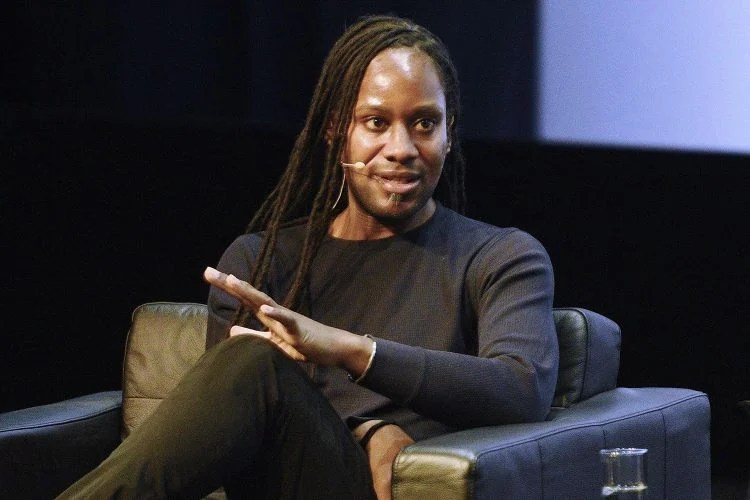
Jason Arday, the author and academic who made history as the youngest Black professor in the University of Cambridge’s history, has been found dead in London at the age of 41, just days after resigning from the university amid allegations concerning his academic work.
Arday was found unresponsive at an address in Battersea, south London, on Friday, August 14, according to reports by Sky News, the BBC and The Telegraph. He was pronounced dead at the scene.
The Metropolitan Police said Arday’s death was being treated as unexpected but was not believed to be suspicious. Officers from the force’s Central South Command Unit are investigating, and a file will be prepared for the coroner.
“We are desperately saddened to hear this tragic news. Our heartfelt sympathies go to Jason Arday’s family and friends at this incredibly difficult time,” Cambridge Vice-Chancellor Professor Deborah Prentice said in a statement.
Arday announced on August 5 that he was stepping down from his position as Professor of Sociology at Cambridge and from his fellowship at Jesus College, effective immediately.
His resignation followed the university’s announcement of an investigation after it received what it described as “new information about Professor Arday’s academic qualifications and honorary appointments.”
In his resignation statement, Arday said the accusations and public scrutiny surrounding him had taken a significant toll on his personal life.
“When I accepted the extraordinary honor of becoming Professor of Sociology at Cambridge, it was, without question, the greatest professional privilege of my life,” he said.
“Sadly, the years since my appointment have also been marked by an unrelenting level of public scrutiny and personal attack,” Arday added, saying that what he had experienced had gone beyond ordinary academic disagreement.
Born in south London in 1985 to Ghanaian immigrant parents, Arday became widely known for overcoming significant challenges during his childhood and rising to the highest levels of academia.
According to his biography, he was diagnosed with autism at the age of three, remained nonverbal until nearly 12 and did not learn to read or write until his late teens. He was also diagnosed with deafness, dyslexia and dyscalculia.
His appointment to Cambridge in 2023 attracted widespread attention. At 37, Arday became the youngest Black professor in the university’s centuries-long history.
His academic career came under intense scrutiny in the weeks before his death after academic Nathan Cofnas alleged that passages in some of Arday’s earlier work had been lifted from other sources. Further plagiarism allegations subsequently emerged.
A July analysis of Arday’s 2015 doctoral thesis published by The Times identified multiple passages that it said were identical or closely similar to material from an earlier dissertation by Brunel University student Paula Zwozdiak-Myers.
Arday denied deliberately plagiarizing material but acknowledged what he described as previous scholarly “mistakes.”
“I hold myself accountable and other people should hold me accountable. We’re talking about academia here,” Arday told The Times in July.
“I didn’t murder somebody. I think the cruelty that I’ve experienced and the positioning of me as this kind of liar and fantasist is totally unacceptable,” he said.
Arday also rejected suggestions that he had fabricated aspects of his life story and argued that he had been subjected to scrutiny disproportionate to his public profile.
Following news of his death, his family said he had endured what they described as a sustained campaign of abuse and misinformation since taking up his Cambridge position.
“The campaign of misinformation was too much for Jason, who was a gentle man and who always wanted to see the best in everyone,” the family said in a statement shared through his publisher, Simon & Schuster.
“We are in shock to have lost this amazing father, partner, brother, uncle and son,” they said, while asking the media to respect their privacy and stop what they described as a prolonged campaign of harassment against Arday and his family.
Simon & Schuster also expressed its condolences, saying it was “deeply saddened” by Arday’s death.
His death came just days after the U.S. release of his memoir, Great and Unfortunate Things, which was published on August 11 by Simon & Schuster imprint 37 Ink. The book chronicles his childhood, personal challenges and rise through academia.
The publisher had previously defended its work with Arday, saying it had collaborated closely with him, his co-writer Eve Claxton and its editorial and legal teams to research, write and corroborate the memoir.
The circumstances surrounding Arday’s death remain under investigation. Police have said his death is not currently believed to be suspicious, with the final determination to be made through the coroner’s process.
In this article