
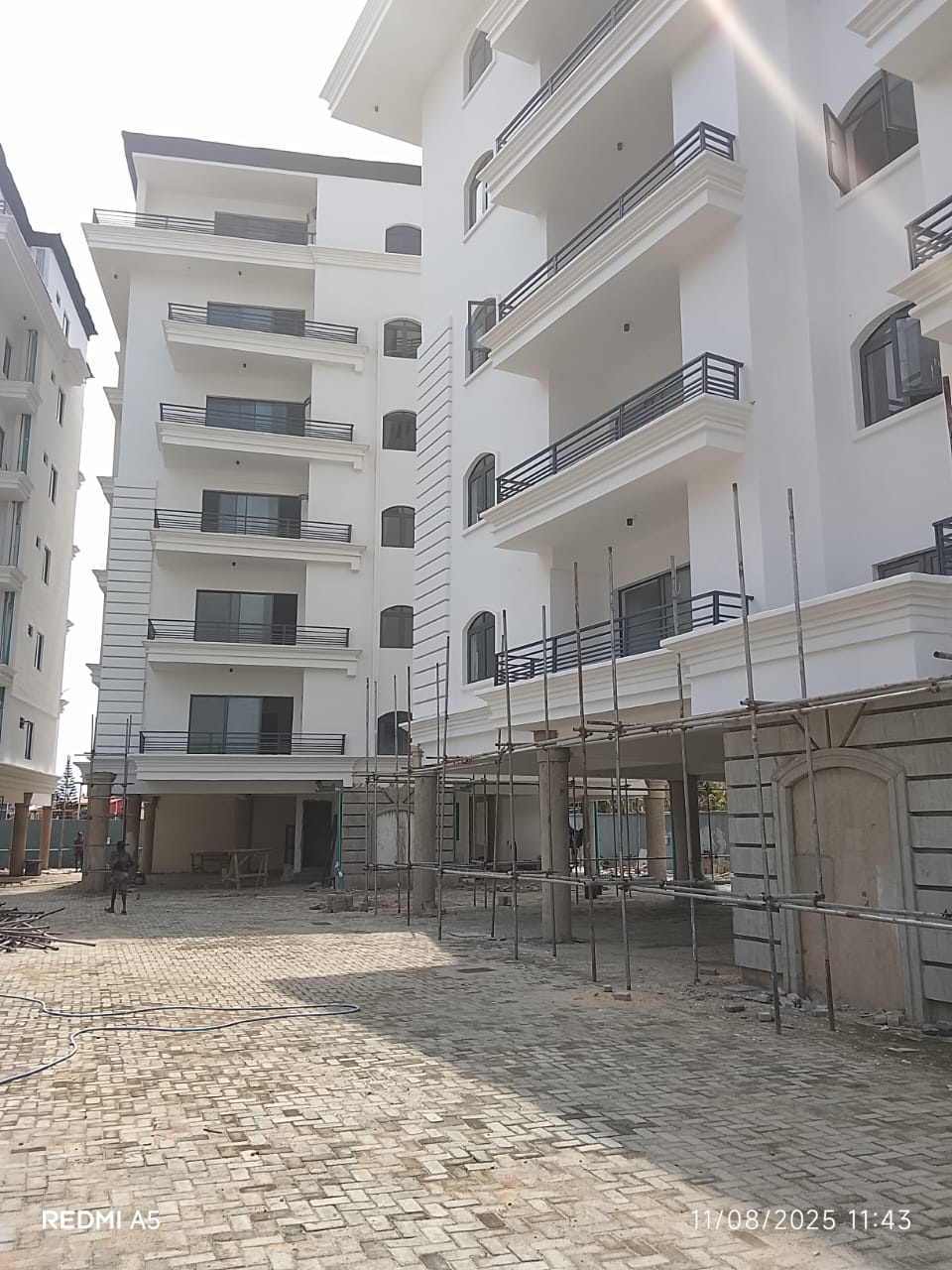
The Federal Government of Nigeria has identified effective land management, urban renewal, promotion of local building materials, and Public-Private Partnerships (PPPs) as proven critical catalysts for sustainable housing delivery.
The Permanent Secretary, Federal Ministry of Housing and Urban Development, Dr. Shuaib Belgore, maintained that land becomes a true asset only when it is properly titled, registered, digitised, and verifiable.
Shuaib, at the 14th meeting of the National Council on Lands, Housing and Urban Development on Wednesday in Ilorin, also remarked that secure land documentation enhances access to finance, stimulates investment, and unlocks wealth creation.
He said that the theme: “Achieving Housing Delivery and Sustainable Cities through Effective Land Management, Urban Renewal, Promotion of Local Building Materials, and Public–Private Partnerships in Nigeria” underscores the urgent need for innovative, practical, and holistic approaches to addressing Nigeria’s housing deficit and promoting sustainable, resilient, and inclusive cities.
According to him, President Bola Ahmed Tinubu’s Renewed Hope Agenda places strong emphasis on revitalising all sectors of the economy to achieve sustained and inclusive growth.
“As government representatives and stakeholders in the built environment, it is incumbent upon us to align our policies, programmes, and actions with this national vision if we are truly committed to building a prosperous and resilient nation,” he told the permanent secretaries, other stakeholders, and policymakers in attendance.
He emphasised the importance of housing as critical to societal development and security, saying: “The United Nations recognises housing as the second most basic need of mankind, and its centrality to human dignity, social stability, and economic development is universally acknowledged.”
“In recognition of this, the establishment of the Federal Ministry of Housing and Urban Development—previously subsumed within the Federal Ministry of Works—was a deliberate and strategic intervention to reposition the sector for greater impact.”
“Under the visionary leadership of the Honourable Minister of Housing and Urban Development, Arc. Ahmed Musa Dangiwa, the Ministry has initiated several flagship reforms that have placed the housing and urban development sector on a progressive trajectory. These initiatives—many of which are captured in the theme of this Council—form the backbone of the Federal Government’s strategy to scale up housing delivery and improve urban livability across the Federation,” he noted.
He, however, hinted that Urban renewal, through the regeneration and modernisation of ageing urban centres, improves livability, optimises land use, and promotes sustainable human settlements.
He disclosed that the growing demands on public resources have made Public-Private Partnerships indispensable in complementing government efforts to scale up housing and infrastructure delivery.
He added, “The Ministry is also intensifying efforts to deepen industrial capacity through the establishment of local building materials manufacturing hubs, aimed at reducing construction costs, shortening delivery timelines, and creating employment opportunities.
“Housing, as a vital sector of the economy, transcends the provision of shelter. It encompasses access to safe, secure, habitable, and affordable homes, and remains a critical driver of a productive and stable society.
“Sound physical planning, efficient land allocation and utilisation, and effective policy formulation and implementation are therefore fundamental to sustainable housing development,” he urged.
He commended the men of the real estate and construction sectors for their significant contributions to economic growth through employment generation, investment mobilisation, savings, and improved labour productivity.
“The availability of decent housing directly influences public health, social well-being, and environmental sustainability,” he said.
In this article