
The Federal Government has unveiled plans to end the long-standing Higher National Diploma (HND) dichotomy by granting polytechnics the authority to award degrees.
The reform is designed to strengthen technical and vocational education as a key driver of national development.
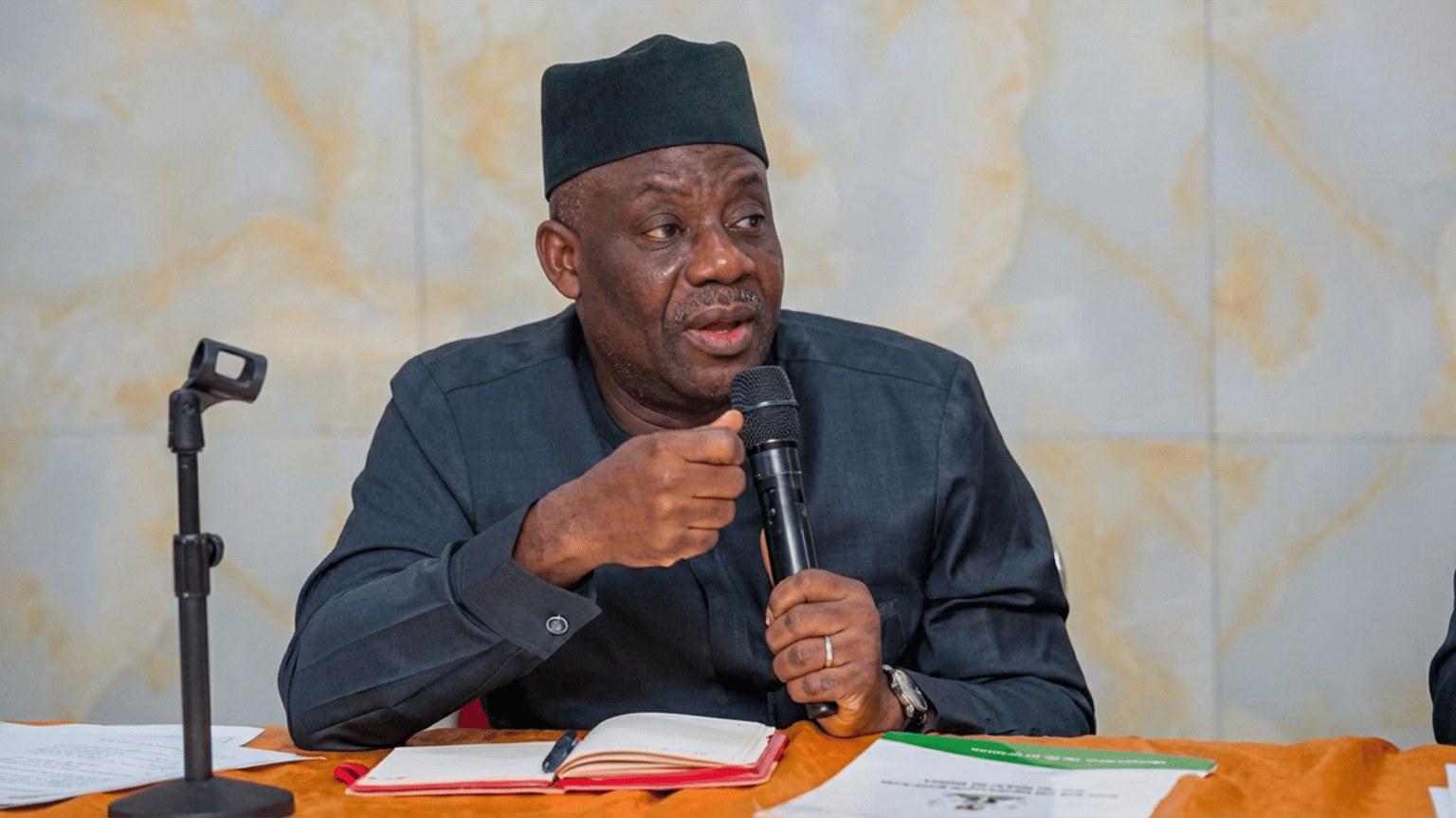
Minister of Education, Dr. Tunji Alausa, announced the initiative in Abuja on Wednesday at a high-level retreat attended by Governing Council chairmen, commissioners of education, rectors, registrars, and bursars.
The minister described the policy shift as historic, noting that it would end years of discrimination against polytechnic graduates and reposition polytechnics as centres of excellence within Nigeria’s higher education landscape.
He explained that the reform would maintain the practical, industry-oriented focus of polytechnic education while enhancing its contribution to a workforce capable of addressing real-life challenges and supporting Nigeria’s long-term competitiveness.
According to Dr. Alausa, the policy aligns with President Bola Ahmed Tinubu’s Renewed Hope Agenda, which emphasises employment generation, industrial expansion, and human capital development. With degree-awarding status, polytechnics are expected to attract deeper industry collaboration, access better funding, and gain increased public trust.
The minister assured stakeholders that the transition would be anchored on well-defined standards, effective regulation, and robust quality assurance frameworks to guarantee international competitiveness.
Speaking on the theme “Transforming Polytechnic Education in Nigeria: Innovation, Good Governance and Sustainability for National Development,” he highlighted the role of polytechnics in building a skills-based economy. He added that Technical and Vocational Education and Training (TVET) has been made a top priority to ensure graduates are innovative, industry-ready, and able to drive economic growth.
Dr. Alausa urged polytechnic administrators to foster innovation through entrepreneurship hubs, research centres, and strong industry linkages, identifying renewable energy, agri-technology, digital manufacturing, and climate-resilient solutions as key focus areas.
He also emphasised sustainability, encouraging institutions to boost internally generated revenue, promote environmentally friendly campuses, and invest in resilient infrastructure. He stressed that polytechnics should strive for self-reliance and contribute to national development by reducing import dependence.
While acknowledging challenges such as funding shortfalls, obsolete facilities, and societal preference for university education, the minister said the prospects outweigh the difficulties. He reaffirmed the Federal Government’s commitment to supporting polytechnics through policy reforms, infrastructure development, and strategic partnerships.
Dr. Alausa further announced a special intervention by the Tertiary Education Trust Fund (TETFund) this year to equip polytechnic engineering schools with modern facilities, following a similar upgrade of 12 medical colleges last year.
Urging participants to return to their institutions as drivers of reform, the minister concluded that the nation’s future depends on the transformation initiated at the retreat.
In this article