
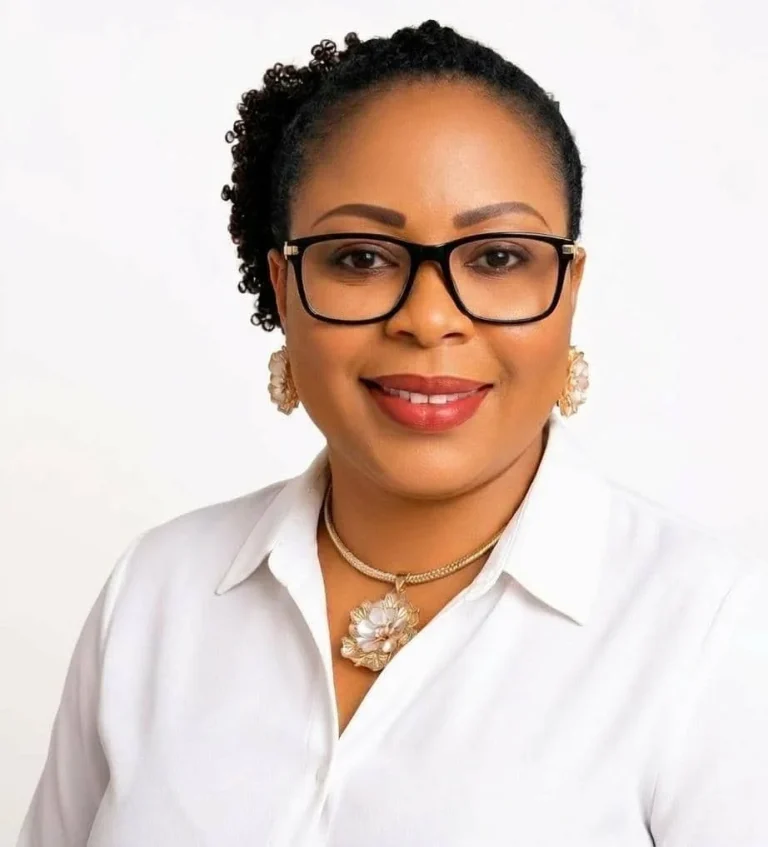
By Oluwakemi Babatunde
“Whoever educates a girl child educates a society, because no educated mother wants her children to be illiterate.”
Childhood is a very important stage in every person’s life. It is a period when children should be protected, educated and given the opportunity to develop physically, mentally, emotionally and socially. Unfortunately, many girls around the world are still forced into marriage before they are physically, emotionally or financially ready.
Child marriage is a serious social problem that affects not only individual girls but also families, communities and the development of society. Therefore, there is an urgent need to end child marriage and invest in girls’ rights.
Child marriage refers to a formal marriage or informal union involving a person under 18. In many cases, girls are married off because of poverty, cultural practices, family pressure, insecurity or the belief that marriage is the best future for a girl.
Some parents also see marriage as a way of reducing the financial burden of caring for their daughters. However, these reasons do not justify depriving a child of her fundamental rights.
One of the major consequences of child marriage is the disruption of education. A girl married at an early age may be forced to leave school to care for her husband, children and household. When a girl loses her education, she may also lose opportunities to acquire skills, secure decent employment and become financially independent. Education gives girls knowledge, confidence and the ability to make informed decisions about their lives. Keeping girls in school is therefore one of the most effective ways of protecting their future.
Child marriage can have severe, lifelong medical consequences. Young girls who become pregnant before their pelvises are fully developed face significant risks during pregnancy and childbirth because their bodies are not yet prepared for motherhood. One of the most devastating health outcomes associated with early childbearing and obstructed labour is vesicovaginal fistula.
A vesicovaginal fistula is an abnormal opening or channel between the urinary bladder and the vagina. It usually occurs as a result of prolonged, obstructed labor without timely medical intervention or emergency obstetric care (such as a Caesarean section). During labour, the baby’s head presses tightly against the mother’s pelvic bones for days, cutting off blood supply to tissues in the birth canal. This tissue eventually dies, leaving a hole that causes continuous, uncontrollable urine leakage.
When young girls develop VVF, the immediate physical, social, and emotional toll is immense:
Severe physical suffering: Continuous incontinence leads to severe skin irritations, painful rashes, nerve damage, and recurrent urinary or kidney infections.
Social isolation & stigma: Due to the constant odor and leakage, young girls are frequently abandoned by husbands, isolated by families, and shunned by peers, cutting short their youth.
Deep psychological trauma: Coping with a debilitating physical injury alongside sudden social rejection often leads to severe psychological trauma, anxiety, and deep depression at a very vulnerable age.
Termination of education: The condition forces young girls to drop out of school permanently, ending their development and literacy.
Permanent ostracisation: Women living with chronic VVF are often excluded from community activities, public gatherings, and social life, leading to permanent social exile.
Chronic economic deprivation: Because of their health condition and lack of education, women with VVF face extreme barriers to finding employment, running businesses, or achieving financial independence, locking them into lifelong poverty.
Reproductive & physical complications: Untreated or poorly repaired fistulas often cause severe reproductive damage, secondary infertility, and chronic pelvic pain, impacting long-term bodily health.
Loss of dignity & agency: Rejection by spouses and inability to participate in family life strip women of their social status, agency, and dignity.
Another major consequence is poverty. Child marriage creates a cycle in which poverty is passed from one generation to another. A girl who leaves school early may have fewer opportunities to earn a stable income. This makes it difficult for her to support herself and her children. Her children may then grow up with limited access to quality education and opportunities, contributing to multidimensional poverty.
Girls have fundamental rights that must be respected. Every girl has the right to education, protection from violence and exploitation, access to quality healthcare, freedom from harmful practices, and the opportunity to participate in decisions that affect her life. Investing in girls means providing quality education, healthcare, protection, and leadership opportunities. It also means building safe environments where girls can develop their talents and pursue their ambitions.
Parents, schools, communities, and governments all have vital roles to play in ending child marriage. Parents must understand that educating a daughter is an investment in the future. Schools should provide safe learning environments. Community leaders must challenge harmful practices and advocate for child protection. Governments should strengthen and enforce laws protecting children.
Media and civil society organisations must educate the public about the dangers of child marriage and promote girls’ empowerment. Boys and men must actively participate in these conversations, as protecting girls is a collective societal responsibility.
In conclusion, child marriage denies girls the opportunity to enjoy their childhood, leads to devastating health conditions like VVF, disrupts education, and perpetuates multidimensional poverty. A society that protects and invests in its girls invests in healthier families, stronger communities, and a prosperous future. We must work together to end child marriage and safeguard girls’ rights. Every girl deserves the opportunity to learn, grow, dream, and achieve her full potential.
Oluwakemi Babatunde is a psychologist and educationist
In this article