
By
Abdulrahman Abu Hamisu
It is said that when knowledge is deployed to solve a problem and personal interest doesn’t come into play, the problem is as good as solved. However, when personal interest overrides the overall interest, it tends to destroy the most potent solutions to achieving meaningful results, along with the opportunity to learn. The opportunity is paramount to the rebuilding process because it reveals what works, what is working, and what is not working, leading to learning, un-learning, and re-learning, which are useful learning loops.
Despite the efforts of government authorities and security forces to restore stability, rebuilding trust and total recovery remains a gradual process across the six states. But that process is underway as actors continue to learn. Write Abdulrahaman Abu Hamisu.
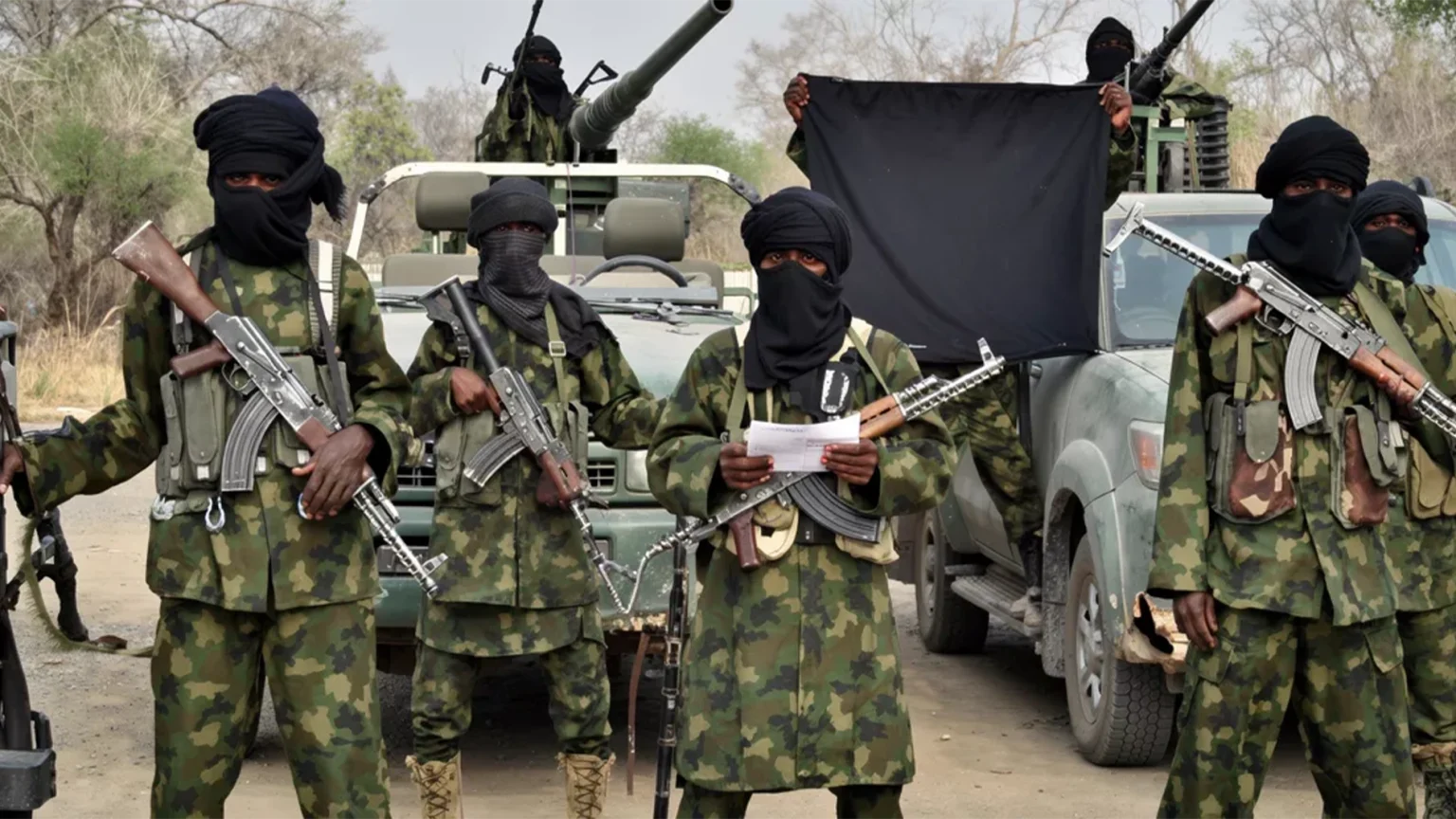
For more than a decade, Nigeria’s North-East has remained a symbol of prolonged conflict and humanitarian collapse. The insurgency led by Boko Haram and its breakaway factions did far more than disrupt security; it dismantled entire communities, shattered economic systems, and altered the social and cultural foundations of a region once anchored by farming and cross-border trade.
The human cost has been staggering, as more than 350,000 people are estimated to have died directly and indirectly from the conflict, even as over 2.5 million individuals were forced from their homes, while at the height of the crisis, about 8.4 million people required urgent humanitarian support. Entire settlements across Borno, Adamawa, and Yobe were destroyed, leaving behind a region marked by displacement and ruin.
Ten years on from the insurgency devastation, the story of the region is no longer just about loss but about rebuilding and learning. As pointed out earlier, post-conflict rebuilding is known to furnish actors who are self-seeking the opportunity to pursue their selfish interests, thereby affecting the rebuilding process. Often called corruption or abuse, it is the major source of intervention failures across the world, especially when rebuilding a war-torn country like Nigeria.
In the early years, the response was almost entirely security and humanitarian. Former President Goodluck Jonathan established the Presidential Initiative on the North East, PINE, in 2014 to deliver emergency aid and “strategically position the North East for long-term growth.” Some actors see PINE as their cash cow, which affected its operations and the impact expected of it.
Learning from the mishaps that undermined PINE, the Buhari administration decided to establish a Committee that would coordinate and manage all interventions to the North East, birthing the Presidential Committee on the North East Initiative preparatory to the creation of the North-East Development Commission (NEDC), a permanent and durable organisation with a broad mandate to initiate, coordinate, execute, and partner with any organisation in the process of redeveloping the North East. Though the NEDC has not been the sole actor in the rebuild process, it has significantly altered the rebuilding by institutionalising a core component that can be referred to as Research, Review , and learning as part of its mandate and intervention planning, and delivery strategy, which makes it a learning organisation amongst others in the North East.
Through its activities, the North-East Development Commission (NEDC) has become the face of that reconstruction. From rehabilitated schools and health centers to new housing for IDPs and roads reconnecting markets, NEDC’s footprint is visible. Borno Governor Babagana Zulum puts it plainly: “NEDC has played a critical role in supporting the rebuilding of communities and restoring hope.” The NEDC leads post-conflict recovery by delivering emergency relief, rebuilding physical infrastructure, and restoring economic livelihoods in areas hit by the Boko Haram insurgency. Humanitarian relief in terms of food distribution, the agency since creation has regularly sent trucks of rice, spaghetti, and vegetable oil to internally displaced persons (IDPs).
It has also delivered blankets, mats, and clothing to families in hard-hit zones like Borno and Adamawa states. Adding to that, it has provided vulnerable support through relief packages targeting women, children, and victims of recent militant attacks. It has also provided economic and livelihood recovery through agricultural aid. The commission hands out seeds, fertilizers, and farming tools so farmers can plant again.
Dry-Season Farming, the NEDC has through investments in irrigation, help local food production restart in safe areas. The agency has also given grants and aid to local cooperatives to restart markets and trade.
On infrastructure, reconstruction and road repairs, the NEDC builds and fixes major regional roads to reconnect isolated towns. The crews work to restore destroyed schools, health clinics, and water supply stations. The agency focuses on finishing active projects to prevent abandoned sites. It has also been able to ensure leaders from traditional, religious, and civil groups meet to plan local peace efforts to support youth empowerment and to steer people away from extremist recruitment.
Like NEDC, another actor that has, over the years, contributed immensely to the rebuilding of the Northeast region of the country is the National Emergency Management Agency (NEMA). NEMA has, over the years, provided critical humanitarian relief, coordinates disaster management, and aids displaced persons affected by the Boko Haram insurgency in Nigeria. NEMA has, through humanitarian relief and Internally Displaced Persons (IDP) management camp coordination, supported numerous camps for Internally Displaced Persons (IDPs) across Northeastern states like Borno, Adamawa, and Yobe.
On food and material distribution, the agency regularly supplies food, medical provisions, and non-food items (such as bedding, clothing, and cooking supplies) to displaced households and victims of insurgent attacks. NEMA works alongside partners like the International Organization for Migration (IOM), using the Displacement Tracking Matrix (DTM) to assess damage, track population displacement, and identify urgent humanitarian need.
The major player in the fight against Boko Haram has been the Nigerian Military who has led the campaign to contain and dismantle Boko Haram and its splinter factions since 2009 through sustained ground operations, regional coalitions, and territorial reclamation. The military successfully pushed insurgents out of major urban centers and strongholds, including the retaking of the strategic Sambisa Forest. Joint Task Force (JTF) Deployments: Formed specialized task forces (such as Operation Lafiya Dole) in northeastern states like Borno, Yobe, and Adamawa to execute continuous counterinsurgency patrols and search-and-seizure missions.
Multinational Collaboration: Partnered with neighboring Lake Chad Basin countries (Chad, Niger, Cameroon, and Benin) via the Multinational Joint Task Force to cut off cross-border movement and supply lines. Rescues and Surrenders: Operations have liberated thousands of captive civilians and facilitated the mass surrender of tens of thousands of combatants and their family members. Air and Hardware Upgrades: Integrated advanced assets, including newly procured reconnaissance and attack aircraft (such as A-29 Super Tucanos), to strike remote insurgent-controlled areas.
Also, foreign partners have contributed huge assistance to Nigeria’s fight against Boko Haram. With €20 million from the German government, UNICEF and WFP are running Phase II of a resilience program in Borno and Yobe. The work spans child protection, safe water, nutrition, education, vocational training, cash transfers, and “climate-adaptive food systems.”
The World Bank, EU, and UN also joined the Federal Government in 2015-2016 for the RPBA assessment — a blueprint still guiding donor spending today. Germany, the Netherlands, Sweden, the UK, and the EU remain major funders, coordinated through the Oslo Consultative Group.
UNDP, through its Regional Stabilization Facility, is focused on livelihoods. And UNODC is using a different tool entirely: theatre. Through its STARLIGHT project, drama and arts are helping children and communities in Borno, Adamawa and Yobe process trauma and reintegrate.
On the ground, it’s often Nigerian organizations doing the hardest work. 63 humanitarian partners provided food, health care, water, shelter and education across the region. Roughly 20 national CSOs operated in areas international staff cannot reach. Beyond aid, traditional rulers, religious leaders, and women’s groups are leading peacebuilding. They mediate disputes, run community dialogue, and set up “peace clubs” in schools. Women have been especially active, even as they remain underrepresented in formal peace talks. In many returnee communities, women’s cooperatives now run small businesses with micro-grants and training.
“Food insecurity in Northeast Nigeria remains one of the most critical challenges, exacerbated by climate and economic hardship,” said WFP Country Director David Stevenson. “Thanks to the support of the German government, we are improving nutrition and economic outcomes for the most vulnerable.” UNICEF Nigeria Representative Cristian Munduate calls the Northeast “one of the toughest places to be a child or a woman.” This is why we are excited that phase one is improving wellbeing and resilience at the household level, one child and woman at a time,” she said.
Germany says its focus is long-term. “Through working with trusted partners like WFP and UNICEF, we are helping build resilience against conflict and climate-related challenges, especially for children and women,” said Dr. Karin Jansen of the German Embassy in Abuja.
While these efforts are commendable, the job isn’t done, as poverty, weak infrastructure, and governance gaps that existed before 2014 still slow progress. The impact is improving wellbeing at the household level. But people of the Northeast who have been ravaged over the years by the Boko Haram insurgency need more to be done by various actors in the fight against the Boko Haram insurgency. Most of these agencies are doing more and achieving more because of so many factors that include reduction in the rate of abuse the rebuilding process witnessed in the past. To be continued
Abdulrahman Abu Hamisu. A Researcher, Public Affairs Analysts, and Leader, Independent Researcher writes from Abuja
+2348022893329
elrahaman@gmail.com
In this article