
*Says they could leave Nigeria
A proposed Senate bill that would require social media platforms and bloggers operating in Nigeria to establish physical offices in the country has sparked heated debate among legal experts, digital rights advocates, and content creators.
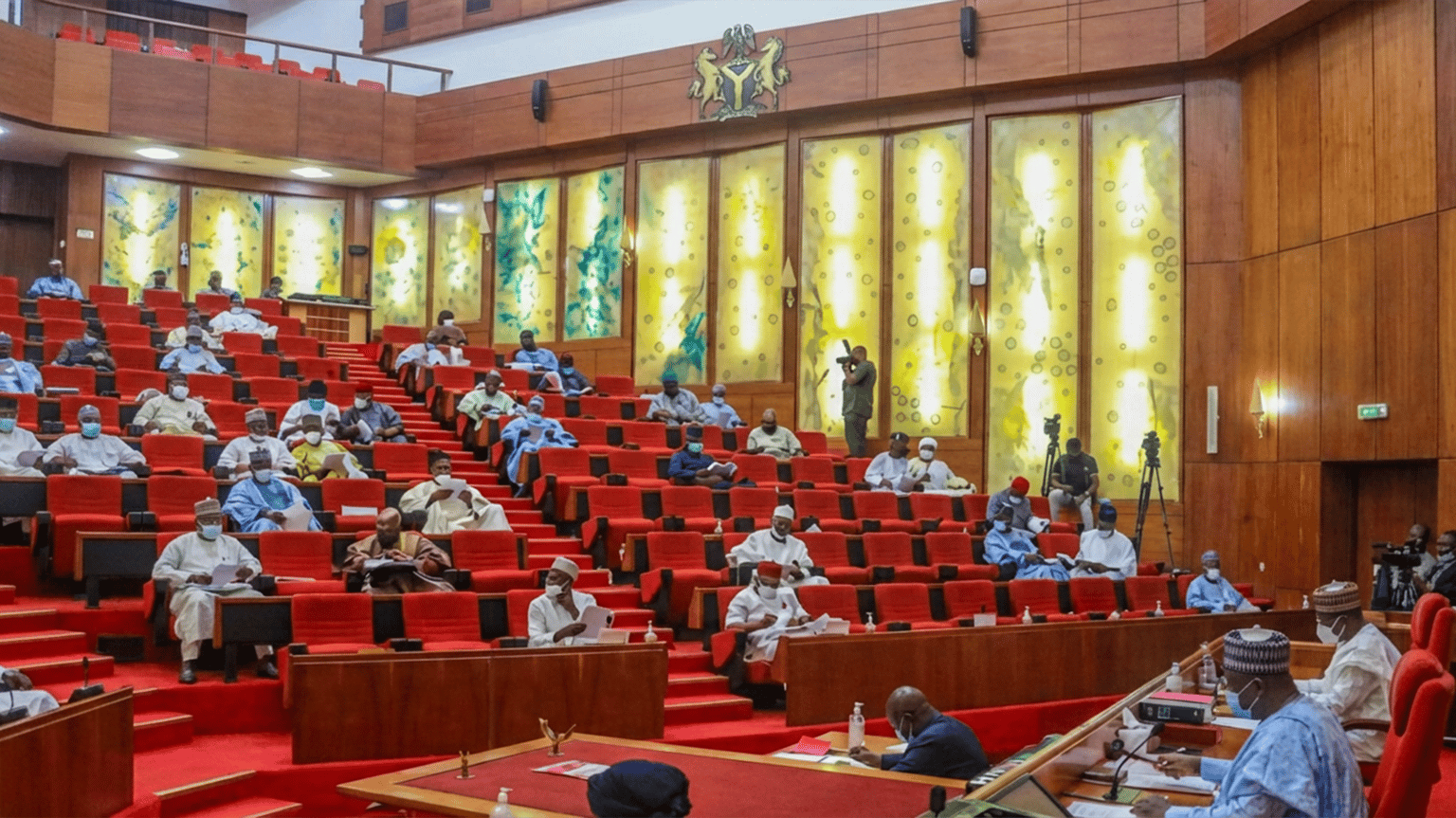
During a public hearing hosted by the Senate Committee on Information and Communications Technology and Cyber Security on Thursday, several organizations, including the Nigerian Bar Association (NBA) and the Nigeria Internet Registration Association (NIRA), expressed strong reservations about the legislation.
The bill, sponsored by Senator Ned Nwoko of Delta North, successfully passed its second reading in March 2025 and is now undergoing public consultation before lawmakers decide its fate.
Critics warned that forcing global technology companies to open physical offices in Nigeria could discourage investment or even prompt some platforms to scale back or withdraw their operations from the country. They also argued that the proposed 30-day deadline for compliance is unrealistic, considering the scale and complexity of restructuring multinational companies.
Representing the NBA, Mercy Agada, on behalf of President-elect Oyinkansola Badejo-Okusanya (SAN), urged lawmakers to reconsider the proposal. Instead of mandating physical offices, the association recommended requiring social media companies to appoint official representatives within Nigeria. The NBA also called for the compliance period to be extended from 30 days to at least 180 days and advised that the bill undergo further technical review to prevent creating an overly restrictive regulatory framework.
Although the association welcomed provisions aimed at strengthening data protection compliance, it maintained that the legislation should be withdrawn for a broader and more comprehensive review.
The Nigeria Internet Registration Association echoed similar concerns. Its Chief Operating Officer, Seyi Onasanya, argued that simply establishing offices would not automatically improve accountability. Instead, she proposed that social media companies be required to host Nigerian users’ data within the country’s legal jurisdiction or on Nigeria’s internet domain, giving regulators greater oversight and control over locally generated digital information.
Not everyone opposed the bill.
The Practitioners of Content Creating, Influencers and Skit Makers Guild of Nigeria threw its support behind the proposal. Guild Chairman Obinna Nwanfo argued that Nigerian content creators often struggle to resolve issues such as account suspensions, reduced visibility, lost followers, and other platform-related disputes because most major social media companies lack local offices or representatives.
According to him, having physical offices in Nigeria would provide creators with easier access to support and faster resolution of complaints that directly affect their businesses and livelihoods.
Other stakeholders that participated in the hearing included Paradigm Initiative, Digital Civic, the Nigerian Youths of Social Media Analysts, the Middle Belt Youth Congress, and the Nigerian Female Youth Organisation.
Defending the bill, Senator Ned Nwoko insisted that its purpose is not to punish or drive social media companies out of Nigeria. Rather, he said the legislation seeks to encourage global technology firms to establish stronger corporate roots in the country, creating greater accountability while unlocking economic opportunities.
Nwoko pointed out that technology giants such as Meta, Google, LinkedIn, TikTok, and X already maintain offices or regional headquarters in countries including the United Kingdom, Ireland, Singapore, India, the United Arab Emirates, South Africa, Brazil, Australia, and Japan.
He highlighted Ireland as a prime example, noting that the country’s decision to attract global technology companies has generated thousands of jobs, increased tax revenues, encouraged innovation, and boosted knowledge transfer.
The senator questioned why Nigeria—Africa’s largest digital market with a population exceeding many countries that host major tech offices—should not enjoy similar benefits.
According to him, requiring major digital companies to establish a physical presence in Nigeria would strengthen regulatory oversight while creating jobs, increasing tax revenue, encouraging technology transfer, and ensuring the country benefits more from the millions of Nigerians who rely on these platforms every day.
In this article