
By Isaac Megbolugbe
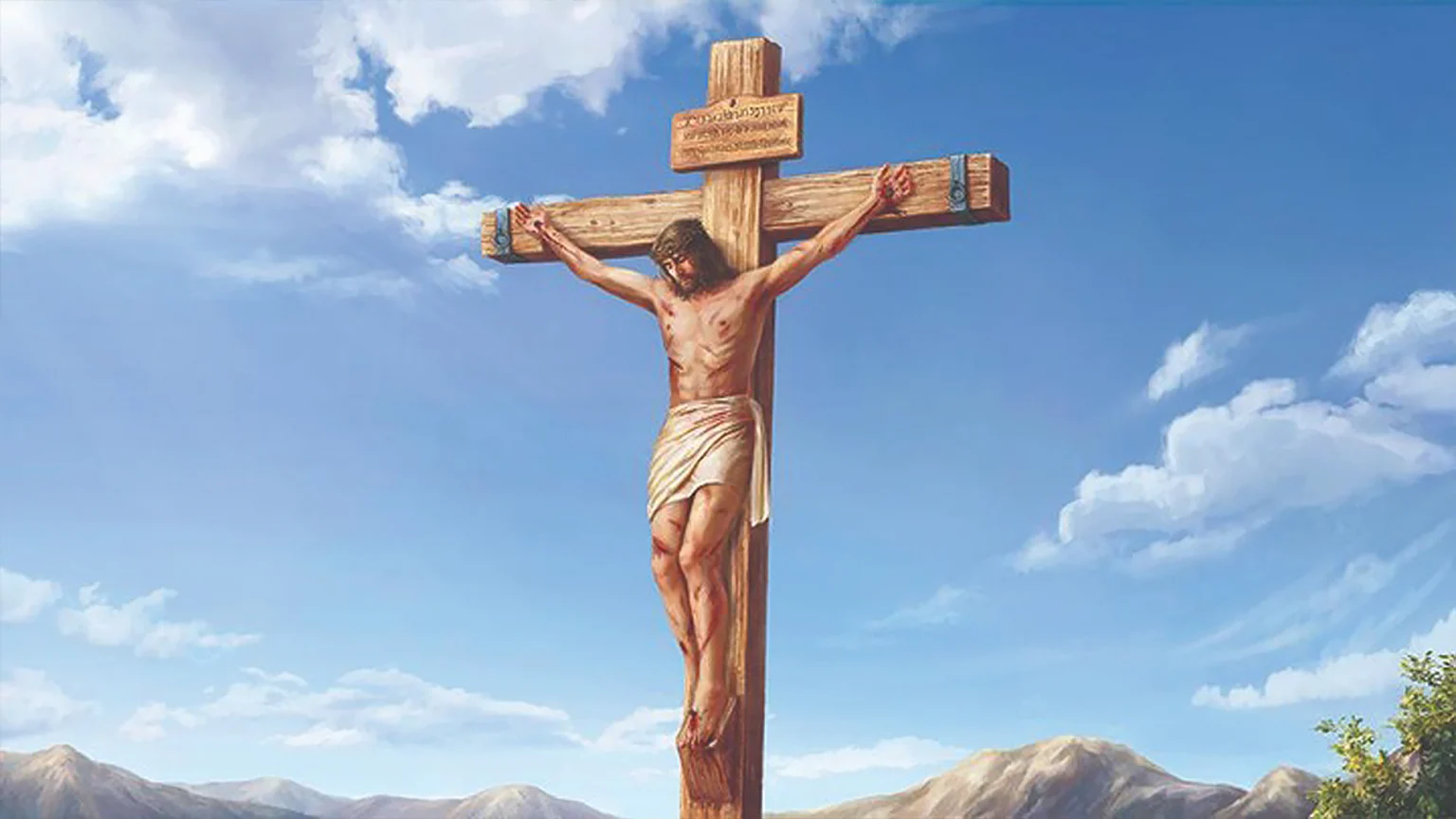
Easter embodies the essence of God’s plan and act to restore humanity into His divine community. Easter is celebrated by Christians as ‘Resurrection Day’ the third day that our Lord Jesus the Christ rose from death thereby assuring mankind of salvation. It affords humanity the possibility of, and the opportunity to, escape eternal death and damnation.
‘The Resurrection is a central doctrine of Christianity and forms the basis of salvation and the hope of eternal life’ (www.britannica.com).
Man is the Temple of the Holy Spirit: God’s dwelling place, created to live in fellowship with Him under the Lordship of Jesus the Christ. This truth underscores the significance of Easter, where God’s contribution redeems and reestablishes the broken connection between humanity and God.
South Africa’s Archbishop Desmond Tutu (1931-2021) reportedly once remarked about Easter that nothing could have been more hopeless for humanity than to die without redemption; then Easter happened. I cannot agree more. Indeed, Apostle Paul asserts to the Corinthians that ‘if Christ be not risen, then is our preaching [in] vain, and your faith is also [in] vain’ (1 Corinthians 15:14, KJV).
God, creative by nature, created the heavens and the earth, populating it with living things, man inclusive. But He created Man in His image, with the ability to relate to Him and appreciate His creation. Until ‘something’ happened namely the Original Sin whereby Adam and Eve defied the clear, simple instruction of God. Serpent the crafty Tempter sowed doubt about God’s goodness and promised the couple wisdom.
The journey of humanity from creation to redemption is a story of God’s determined desire to dwell among His people. Created in God’s image (Genesis 1:27), humans were designed for intimate fellowship with their Creator. However, the Fall (Genesis 3) corrupted this image, severing the connection with God. The rest, as they say, is history, including guilt and shame, curses, physical and spiritual death, and expulsion from the Garden of Eden.
The Fall marks a pivotal moment in biblical history, disrupting the intimate connection between God and humanity. This breach created a chasm, separating humans from their Creator. Yet, in the midst of brokenness, God’s loving-kindness initiated a plan for redemption and restoration.
The promise of redemption, often called the ‘Protoevangelium’ (“first gospel”), was given immediately after the Fall (Genesis 3:15). God vowed to the serpent in Genesis 3:15: that “I will put enmity between you and the woman, and between your offspring and hers; he will crush your head, and you will strike his heel.” This verse foretells the coming Messiah, who would defeat sin;s power and restore humanity’s relationship with God.
The initial down payment for human redemption was in animal blood. God’s provision for Adam and Eve illustrates His mercy as presented in Genesis 3:21 that “The Lord God made garments of skin for Adam and his wife and clothed them.” This act involved animal sacrifice, covering their nakedness and symbolised three things namely: Substitution of innocent animals that died to cover the consequences of human sin; Atonement by which blood sacrifice pointed to the need for a perfect sacrifice to reconcile humans with God, and God’s Initiative. Here, even in judgment, God provided a covering, foreshadowing Jesus’ ultimate sacrifice.
The death and resurrection of Jesus Christ, commemorated during Easter, is the fulfillment of God’s decision to redeem humanity. Through Jesus Christ, God restored the connection, enabling humanity’s spiritual worthiness to fellowship, worship, and glorify Him eternally. John 3:16 puts it succinctly: ‘For God so loved the world that He gave his only begotten Son, that whosoever believeth in him should not perish, but have everlasting life’ (KJV).
The promise given in Genesis 3 finds fulfillment in Jesus according to Hebrews 10:4-5 that “The blood of bulls and goats cannot take away sins… Therefore, when Christ came into the world, he said… ‘Here I am…’”. John 1:29 also affirms “The Lamb of God, who takes away the sin of the world!” Through Christ’s sacrifice, God restores the broken connection, offering humanity both reconciliation and new life.
Redemption through Jesus Christ restored the broken relationship, opening the way for a new, deeper connection. Ephesians 2:18 says “Through Jesus, we have access to the Father by one Spirit” while John 14:16-17 says Jesus promised the Holy Spirit would come to dwell with believers.
The redemption and salvation of humanity is a masterful plan designed by God to restore through Jesus Christ His relationship with humanity. This plan is rooted in God’s love, justice, and desire for fellowship with His creation. Humanity’s rebellion in the Garden of Eden against God caused a combination of problems for man namely sin, separation, and death. God’s holiness and justice demanded a solution to this problem, while His love and mercy sought a way to right this awful wrong.
Upon salvation, the Holy Spirit resides in believers’ bodies, making them the Temple of the Holy Spirit (1 Corinthians 6:19-20), a living sanctuary where God dwells (Ephesians 2:22). This habitation signifies first, God’s Presence whereby the Holy Spirit empowers and guides believers (John 16:13). Second is the Transformed Life whereby the Spirit cultivates Christ’s character in believers (Galatians 5:22-23). Third, believers take on a New Identity, marked as God’s own (Ephesians 1:13-14).
The Implications of these for believers are that, as temples of the Holy Spirit, they are called to honor God with their bodies (1 Corinthians 6:20), walk in the Spirit (Galatians 5:16), and reflect God’s glory (1 Corinthians 3:16-17). The redeemed now host God’s presence, empowered to live for His glory, in sum, become the habitation of God.
God established a system of sacrifices to symbolise the forgiveness of sins that foreshadowed the ultimate sacrifice of Jesus Christ. Through Incarnation, God sent Jesus Christ, His Son, to become human, live a sinless life, and die on the cross, in order to pay the penalty for humanity’s sin. Jesus’ death on the cross accomplished key things: propitiation, substitution, reconciliation, redemption, and salvation.
Under propitiation, Jesus satisfied God’s wrath against sin, turning away God’s judgment. By substitution, Jesus took the punishment for humanity’s sin, becoming the substitute for sinners. Through reconciliation Jesus restored humanity’s relationship with God, making it possible for people to be reconciled to God. Finally, in redemption, Jesus purchased humanity’s freedom from the enslavement of sin, providing a new life in Him. The resurrection of Jesus from the dead demonstrated His power over sin and death and provided a means for humanity to be reconciled with God.
God’s redemption plan works through a number of inseparable ways. Faith is one. Individuals must put their faith in Jesus Christ, acknowledging their sin and accepting His sacrifice as payment. Repentance is another. People must turn away from their sin and turn to God, surrendering their lives to Jesus. Through the process of Regeneration, God gives new life to those who trust in Jesus, making them new creations. Lastly, in Justification, God declares believers righteous, based on Jesus’ righteousness, and provides a new standing before Him.
God’s action achieved three things. It restored humanity’s fellowship with God through Jesus Christ, it renewed ‘worship integrity’ so that God is glorified and worshiped in spirit and truth, lastly, humanity is both purified and justified to participate in God’s eternal divine community, under Jesus’ Lordship.
Easter celebrates God’s unquantifiable love for humanity. Through Jesus Christ, God reconciles Himself with and enables humanity to fulfill its purpose which is to glorify and live in eternal fellowship with Him. Jesus said in John 3:17 that ‘God sent his not his Son into the world to condemn the world; but that the world through him might be saved’. This is the ultimate demonstration of God’s love for humanity, that, in popular parlance, no one be left behind.
As Dr Tutu said, Easter is the way through which humanity was, is, and forever redeemed to earn –by faith and by doing – eternal life through our Lord Jesus the Christ. But this is a choice for every man to take or reject. God, in His infinite wisdom, has done His own part to ensure no one is left behind to deserve and attain eternal life; it is up to every man to do his own part. This much is made clear in John 3:18: ‘he that believeth on him is not condemned; but he that believeth not is condemned already…’ Salvation through our risen Lord is free, but it must be earned.
May these reflections inspire in every reader a commitment to walk with God through His Son Jesus Christ, Amen.
Megbolugbe, director of GIVA Ministries International, is a recipient of Albert Nelson Marquis Lifetime Achievement Award in business and academia in the United States of America. He is also a retired professor at Johns Hopkins University and a Fellow of the Royal Institution of Chartered Surveyors. He is resident in the United States of America.
In this article