
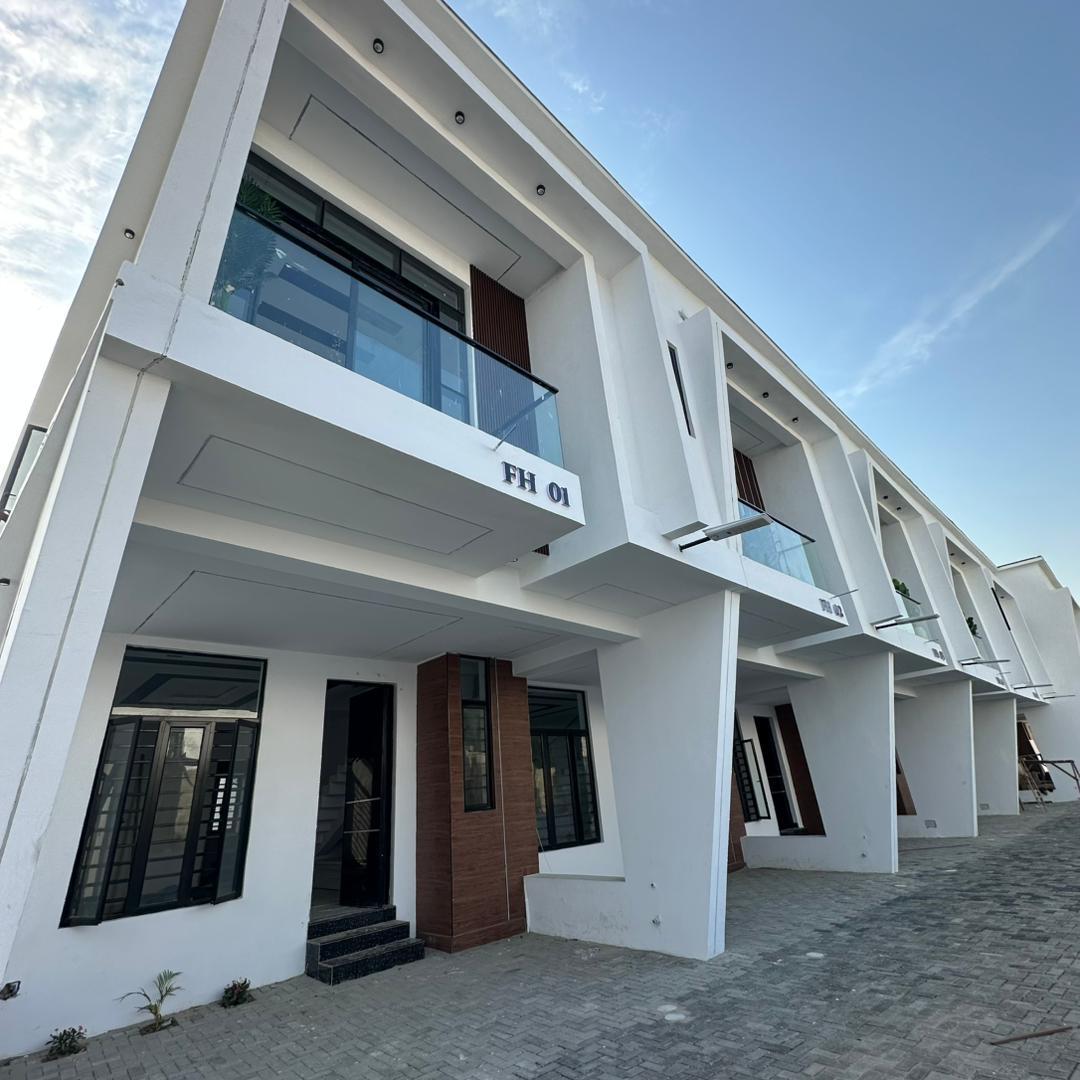
Delegates at the Association of Housing Corporations of Nigeria (AHCN) strategy session and 113th Council Meeting in Abuja have decried stringent conditions attached to housing construction finance, particularly the requirement for sovereign or bank guarantees.
They said such conditions have made it difficult, if not impossible, for most housing corporations to access funding for credible projects, especially those targeting low-income earners. The delegates urged banks and multilateral funding agencies to design financing structures that are more accessible to housing corporations as government-backed institutions.
The meeting also highlighted the need to strengthen partnerships among key sector players, including Family Homes Funds, the Federal Mortgage Bank of Nigeria (FMBN), and the MOFI Real Estate Investment Fund (MREIF), to enhance development financing, expand mortgage lending, and reduce Nigeria’s housing deficit.
Participants noted that the informal sector has largely been excluded as off-takers in organised housing projects due to irregular income patterns. They called for its integration into the mainstream housing delivery system through coordinated housing cooperatives to better serve low- and middle-income groups.
The two-day strategy session, themed “Redefining Affordable Housing for Low-Income Earners and the Role of Housing Corporations in Emerging Real Estate Markets,” lamented the growing housing shortage, particularly in Abuja and Lagos. Delegates observed that many completed housing units by private developers remain unoccupied because they are unaffordable to those who need them most.
In a communiqué signed by AHCN President, Eno Obogha, and Executive Secretary, Toye Eniola, the association called on state governments to provide stronger support to housing corporations, particularly in facilitating land banking and access to funding, to address rising housing shortages among low- and middle-income earners.
The delegates expressed concern over the widening gap between housing demand and supply, noting the absence of coordinated actions to address affordability and accessibility challenges. They called for urgent collaboration among stakeholders to implement practical strategies that meet housing needs while also creating jobs and reducing unemployment.
They also condemned the practice by some state governments of merging housing corporations with ministries of housing or land, thereby undermining their statutory responsibilities.
According to the delegates, this weakens the operational capacity of housing agencies and contradicts the provisions of the National Housing Policy, further worsening the housing deficit.
The meeting noted a growing loss of public confidence in government housing agencies, particularly due to their inability to meet the needs of low-income earners. It urged state governments to undertake structural reforms that would strengthen these institutions and enable them to deliver on their mandates.
Delegates further highlighted the impact of economic challenges, including rising inflation and foreign exchange volatility, on the housing sector. They advised housing agencies to adopt innovative approaches and partnerships to turn these challenges into opportunities for delivering affordable housing.
They decried the heavy reliance of developers on imported building materials, noting that escalating costs driven by inflation and currency instability have made housing delivery more expensive. The meeting called for increased research and adoption of locally sourced alternative building materials to reduce costs.
The delegates also identified opportunities in alternative building technologies, such as Hydraform, urging stakeholders, especially state housing corporations, to explore commercially viable local materials for the development of quality, low-cost housing.
They commended the MOFI Real Estate Investment Fund (MREIF) for disbursing over N97.6 billion for housing acquisition within a short period and encouraged housing corporations to leverage the fund’s credit window for mass housing delivery.
State governments were also urged to support their housing corporations in accessing these financing windows to unlock opportunities for affordable housing provision.
In addition, the meeting commended the Federal Government’s Renewed Hope Housing Initiative, which has commenced with the development of three Renewed Hope Cities and estates in 12 states. However, the delegates expressed concern over the absence of clearly defined roles for state housing corporations in the initiative.
They called on the Federal Government to assign specific responsibilities to state housing corporations, noting that these agencies are best positioned to deliver social and affordable housing nationwide.
In this article